
The Car Park Decides How the Visit Feels Before It Starts
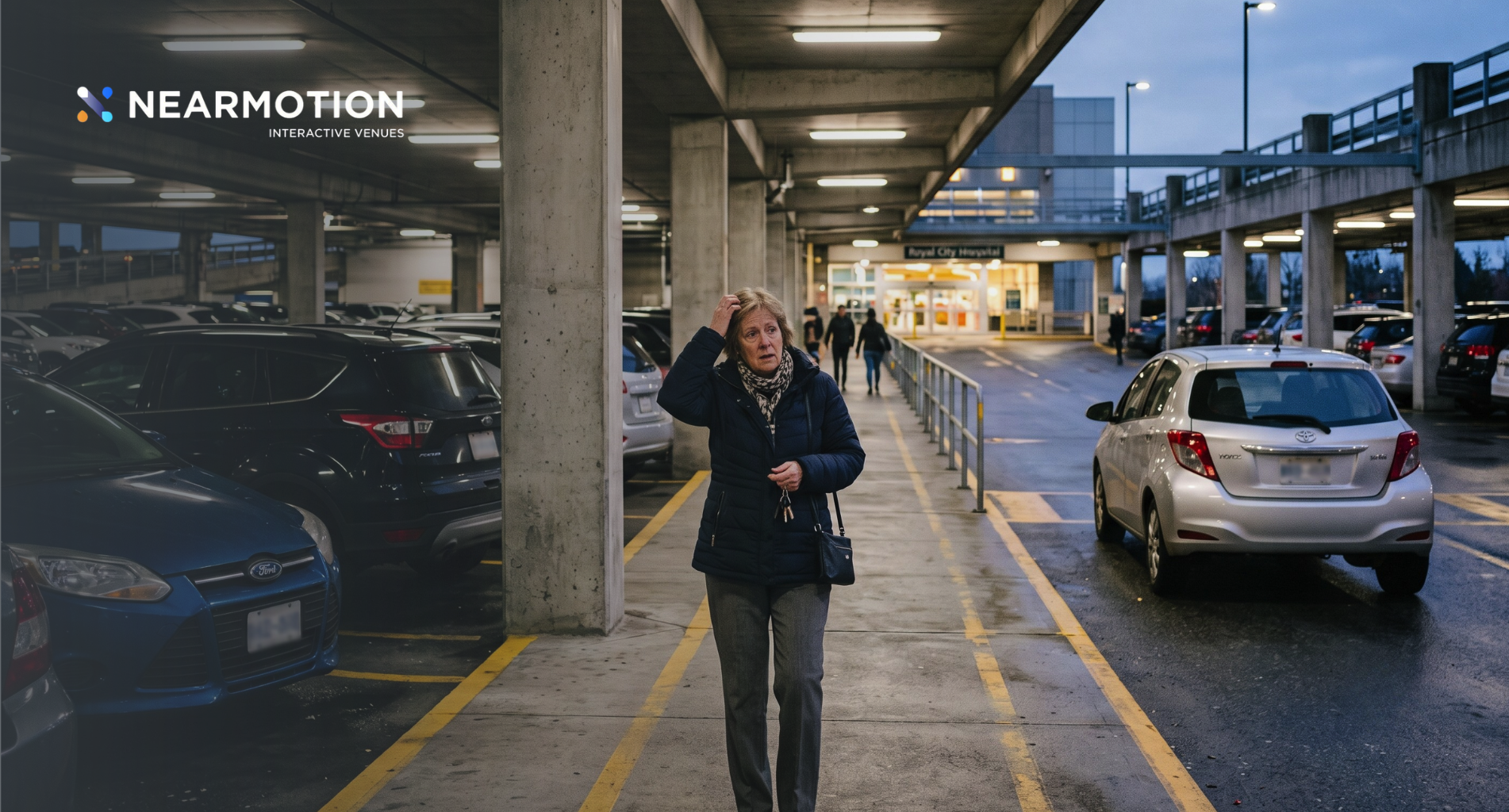
Most venues pour their energy into what happens inside. The lobby, the lighting, the signage, the staff at the desk. But for a huge number of visitors, the experience is already going wrong long before they reach the door. It is going wrong in the car park.
This is the part of the journey almost nobody designs for, and it is quietly shaping how people feel about hospitals, airports, malls, and stadiums.
The frustration starts at the entrance gate
Finding a space is the first test, and people fail it constantly. Drivers spend an average of 17 hours a year just searching for parking, and in dense cities that number climbs far higher. The hunt is not free either. One widely cited analysis put the cost of wasted time, fuel, and emissions at around 345 dollars per driver each year.
Inside large structures the problem gets worse, not better. Underground garages and multi story car parks have limited visibility and confusing signage, so drivers circle blindly looking for an open spot. By the time they finally park, they have already burned five to ten minutes and a good amount of patience.
Then comes the part everyone pretends does not happen.
Half of us forget where we parked
It is not a rare slip. In one survey of 2,000 drivers, 52 percent admitted they had forgotten where they parked, making it the single most common driving embarrassment people confess to. Different entrances, identical grey cars, a rushed arrival, and the memory is simply gone.
The standard advice tells you everything about how unsolved this is. Take a photo of a nearby pillar. Tie a ribbon to your antenna. Press the key fob to your chin to extend its range. Walk row by row clicking the button and listening for a beep. These are not solutions. They are coping strategies for a problem the venue created and then handed back to the visitor.
So the car park bookends the visit with stress. Confusion on the way in, and a small moment of panic on the way out.
Why this matters more than it looks
In a shopping mall, a bad parking experience costs a little goodwill. In a hospital, it costs something far more serious.
Parking is the first and last impression a patient has of a hospital, and the people arriving are often already anxious, in pain, or caring for someone who is. Research shows that patients who struggle with parking arrive more stressed, interact less positively with their care teams, and leave with a worse impression of the whole visit. That is not only a service problem. It can become a clinical one.
It also hits operations directly. Congested car parks rank among the top reasons patients arrive late or miss appointments entirely, and each missed slot can waste thousands of dollars in idle clinic, imaging, or operating room time. One guide noted that around 35 percent of hospital visitors forget where they parked, turning the end of every visit into a search.
Airports raise the stakes in a different way. Here the enemy is time. Passengers who cannot find their way quickly are the passengers who reach the gate late, and late boarding is a major cause of flight delays. The journey that decides whether someone makes their flight does not start at security. It starts at the car.
The journey was never just "inside the building"
The core mistake is treating the car park and the building as two separate worlds. For the visitor they are one continuous trip: from the parking space, through the entrance, to the exact room, gate, store, or seat they need, and all the way back to the car at the end.
When a venue maps only the indoor portion, it solves the easy half and leaves the hardest, most emotional moments unguided. The arrival and the departure, the two points where confidence is most fragile, are exactly where most systems go silent.
How digital wayfinding closes the gap
This is where modern digital wayfinding changes the picture. Instead of starting at the front door, it treats the whole journey as a single guided path.
A connected system can do several things that the old model cannot:
Guide visitors to a space, not just a building. Smart parking guidance points drivers toward open spots as they arrive, cutting the blind circling that wastes time and fuel at the very start.
Remember the car for them. With indoor positioning, a visitor can mark their parking spot in one tap. When they return, the same app walks them back to it. The ribbon and the key fob trick become unnecessary.
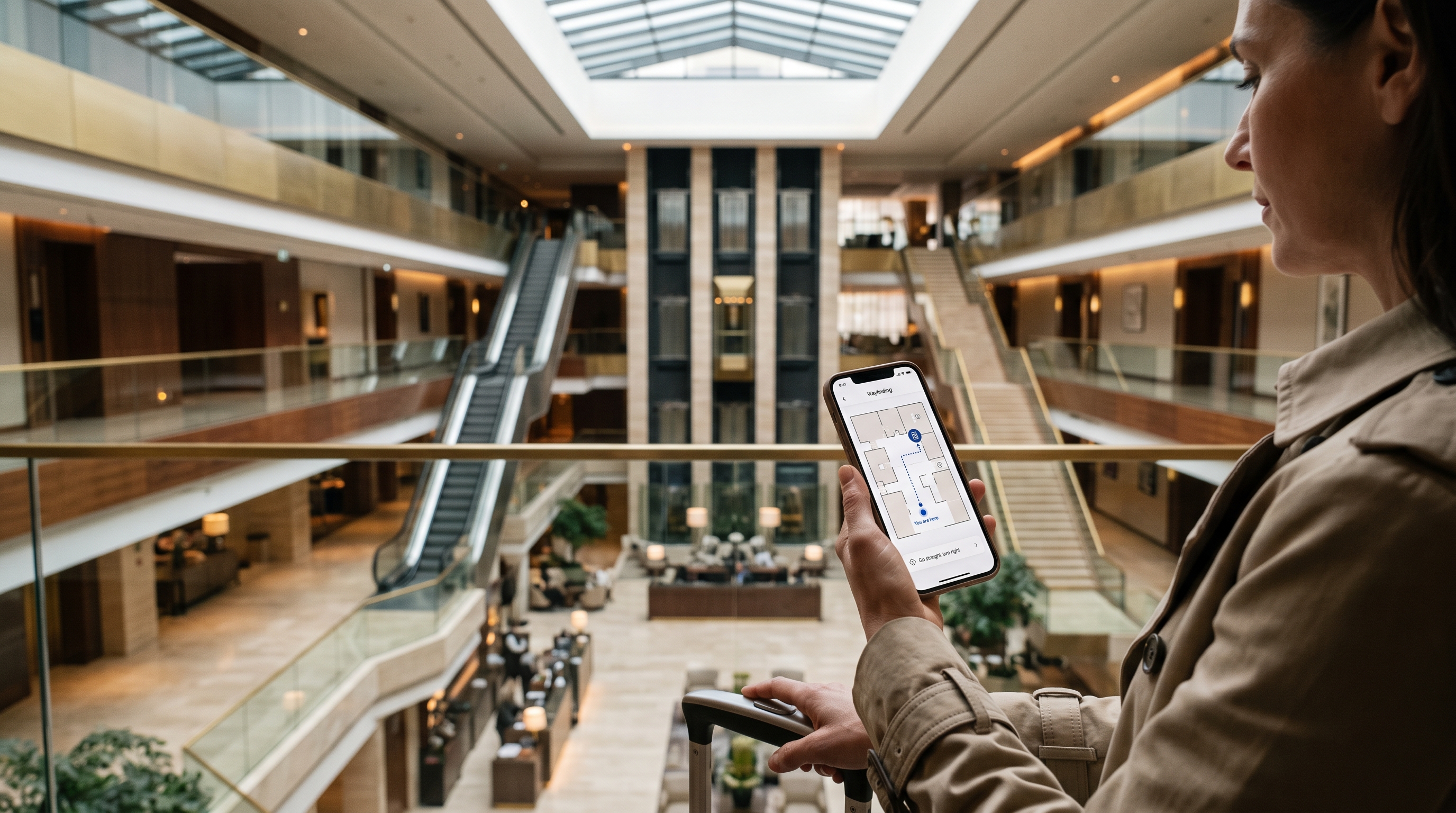
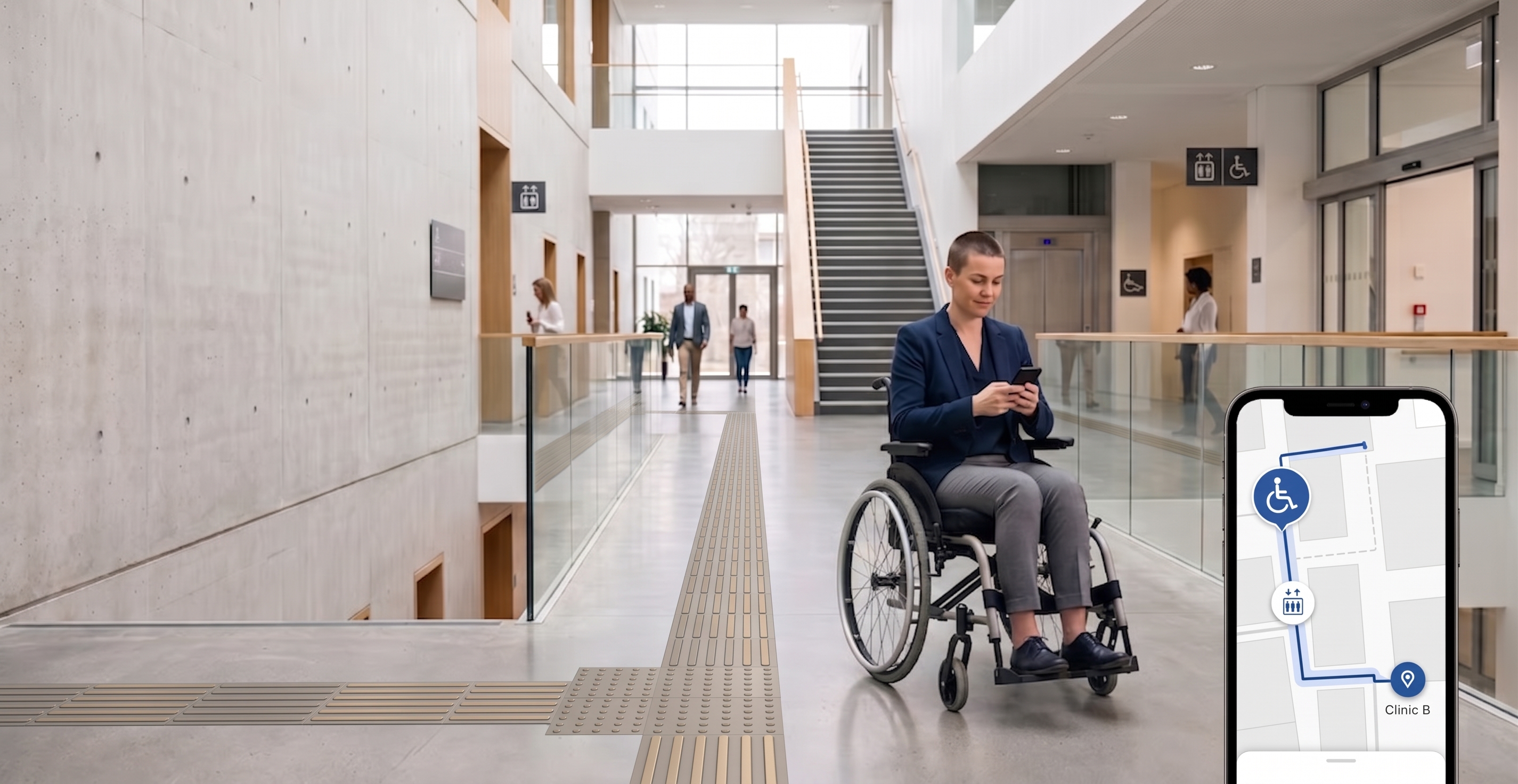
Connect the outside to the inside seamlessly. The strongest experiences offer turn by turn guidance from the parking space all the way to the gate, clinic, or store, then back again, with a clean handoff between outdoor and indoor maps so the guidance never drops.
Send the route before arrival. A link by SMS or QR code can deliver directions to a specific destination, so a patient or visitor is never guessing from the moment they step out of the car. No app download required.
Speak the visitor's language. For airports and venues serving international crowds, multilingual guidance means a stressed first time visitor is met in a language they understand.
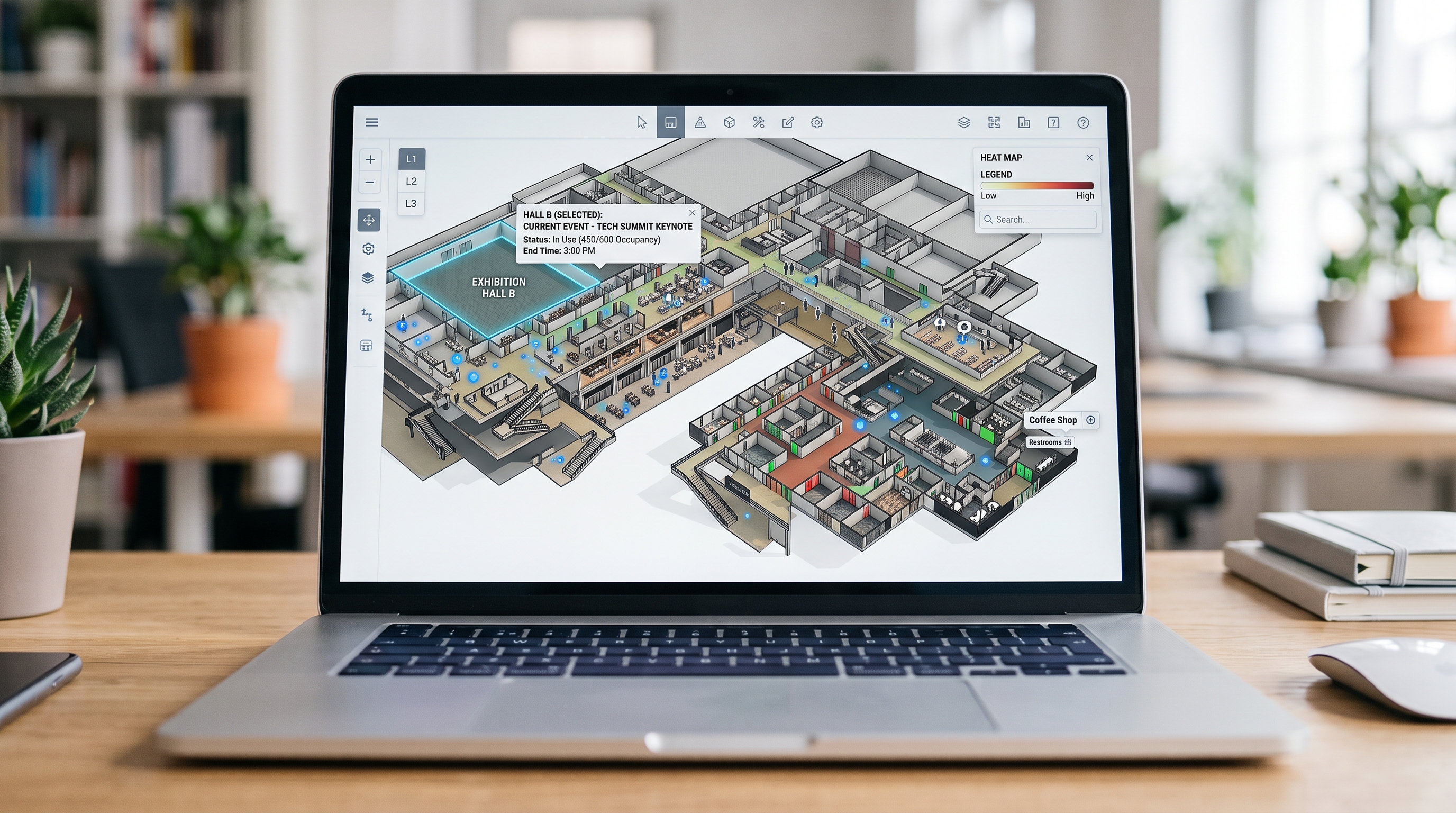
Done well, this is not just a convenience feature. The same platform that guides the visitor also shows the operator how people actually move, where they get stuck, and where the bottlenecks form. The car park stops being a blind spot and becomes part of the experience the venue can see and improve.
The takeaway
A visitor's opinion of your venue is often set before they reach reception, and revisited the moment they walk back out to look for their car. Those two moments happen in the car park, and for most places they are completely unguided.
Closing that gap is one of the highest impact, lowest noise improvements a large venue can make. The technology to do it already exists. The only question is whether the journey you design starts at the front door, or at the parking space where the visitor actually begins.
Featured Success Stories
See how businesses like yours are leveraging Nearmotion to createimpactful indoor experiences.


Send Us a Message
Fill out the form below, and our team will get back to you shortly.





Find Your Perfect Solution
Ready to transform your retail space? NEARMOTION offers tailored solutions. Discuss with an expert or start building your map for free.