
The Mall's Upper Stores: Not Unlucky, Just Hard to Find
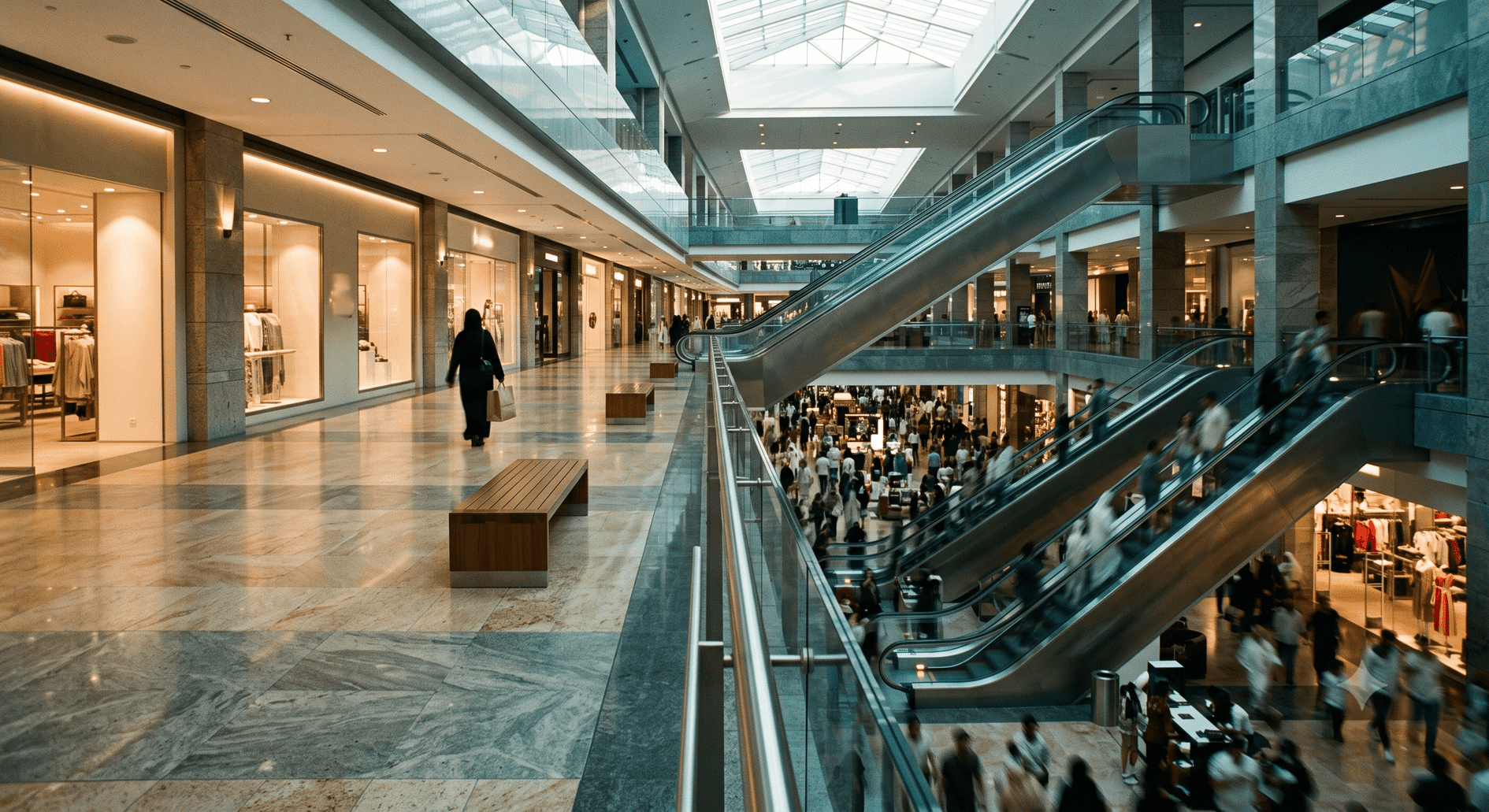
Every leasing director has sat through this meeting.
The renewal is due. The tenant on the upper floor arrives with a footfall report. He puts it on the table and says the sentence you have heard many times before.
"Nobody knows I am up here."
He asks for a rent reduction. And the difficult part is this. He is not wrong about what he sees.
The symptom is real. The cause is not what everyone assumes.
The ground floor is busy. The upper floors are quieter. Most people explain this with the building itself. The escalators are in the wrong place. The atrium pulls people sideways instead of upward. The anchor store sits on the wrong level.
All of this may be true. None of it can be changed without closing part of your mall.
So the conversation ends where it always ends. A discount to keep the unit occupied. A promotion to push people upstairs for one weekend. A larger sign near the escalator. Then the same meeting happens again next year.
There is a different explanation, and it is better news.
Your visitors did not stop coming
The numbers do not describe a mall with a traffic problem.
Across the GCC, mall traffic has continued to grow, and visitors are staying longer than before. People still come. They still spend time inside.
The issue is not how many people enter your building. The issue is where those people go once they are inside.
That is a very different problem. And unlike the position of your escalators, it can be changed.
What actually happens on your upper floors
A shopper walks in. She is looking for a specific brand. She does not know which floor it is on.
She has three options.
She can walk the whole mall and look. She can read a directory board and try to match a store name to a floor plan. Or she can give up and buy something similar on the ground floor.
Most people choose the third option. Not because they dislike the upper floors. Because the effort is too high for the reward.
Your upper-floor tenant did not lose that customer to a competitor. He lost her to the distance between wanting something and finding it.
Visibility is fixed. Findability is not.
This is the part worth thinking about carefully.
A retail unit has always been priced on visibility. How many people walk past the door. What the shopper sees when she reaches the top of the escalator. Which corner the unit sits on.
Visibility is decided by the building. Once the mall is built, visibility is fixed for twenty years.
Findability is different. Findability is decided by how easily a shopper can locate a store when she is already looking for it. And findability now lives in a system you control, not in the concrete.
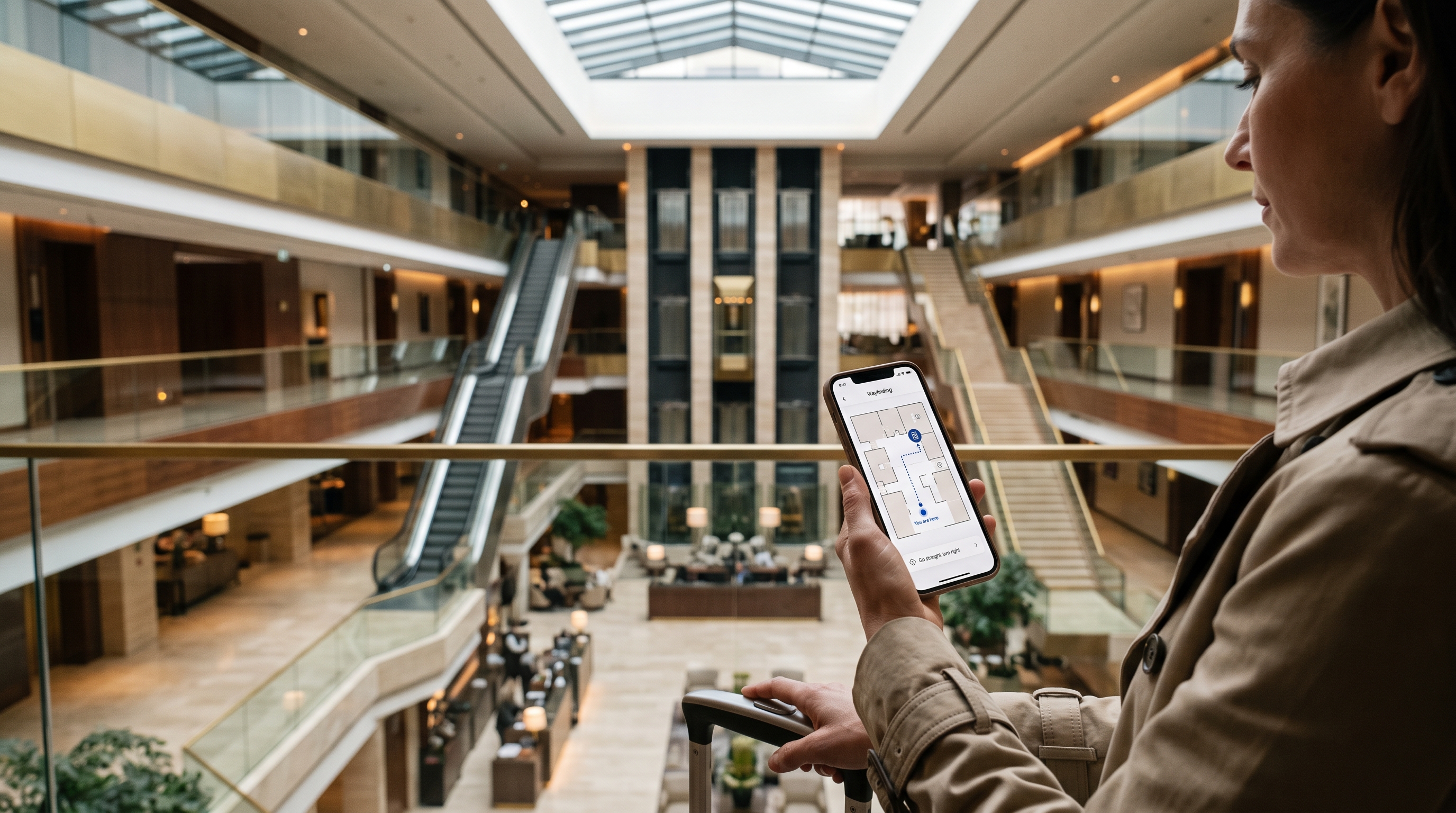
When a shopper searches for a brand on the mall app and receives a route to the door, the floor level stops being a barrier. She is not browsing past the unit. She is walking toward it on purpose.
A top-floor unit that is easy to find can perform better than a ground-floor unit that is easy to walk past.
Why intent changes the commercial picture
There is an important difference between a shopper who is walking around and a shopper who is searching.
A shopper who is walking around is passive. She responds to what she sees. This is why the ground floor wins.
A shopper who searches has already decided. She has told you what she wants. She is now willing to walk, take a lift, and go up two floors to get it.
Every search in your mall app is a customer telling you her intention. You can act on that. You can send her directly to the unit. You can show her related stores on the same route. You can tell her about an offer on the way.
This is the lever that most malls have not pulled yet.
What this looks like in practice
Four things change when your mall runs on a live indoor map.
Search replaces browsing. A shopper types a brand name and receives a walking route. She no longer needs to understand the building. Store level becomes an operational detail rather than a commercial disadvantage.
Routes become inventory. The path from the entrance to a popular anchor passes certain units. Those units can be surfaced along the way. This creates a new type of promotional space that does not exist in a physical mall.
Upper floors get a reason. A shopper who searches for one store on an upper floor can be shown the three nearby units that make the trip worthwhile. One destination becomes three visits.
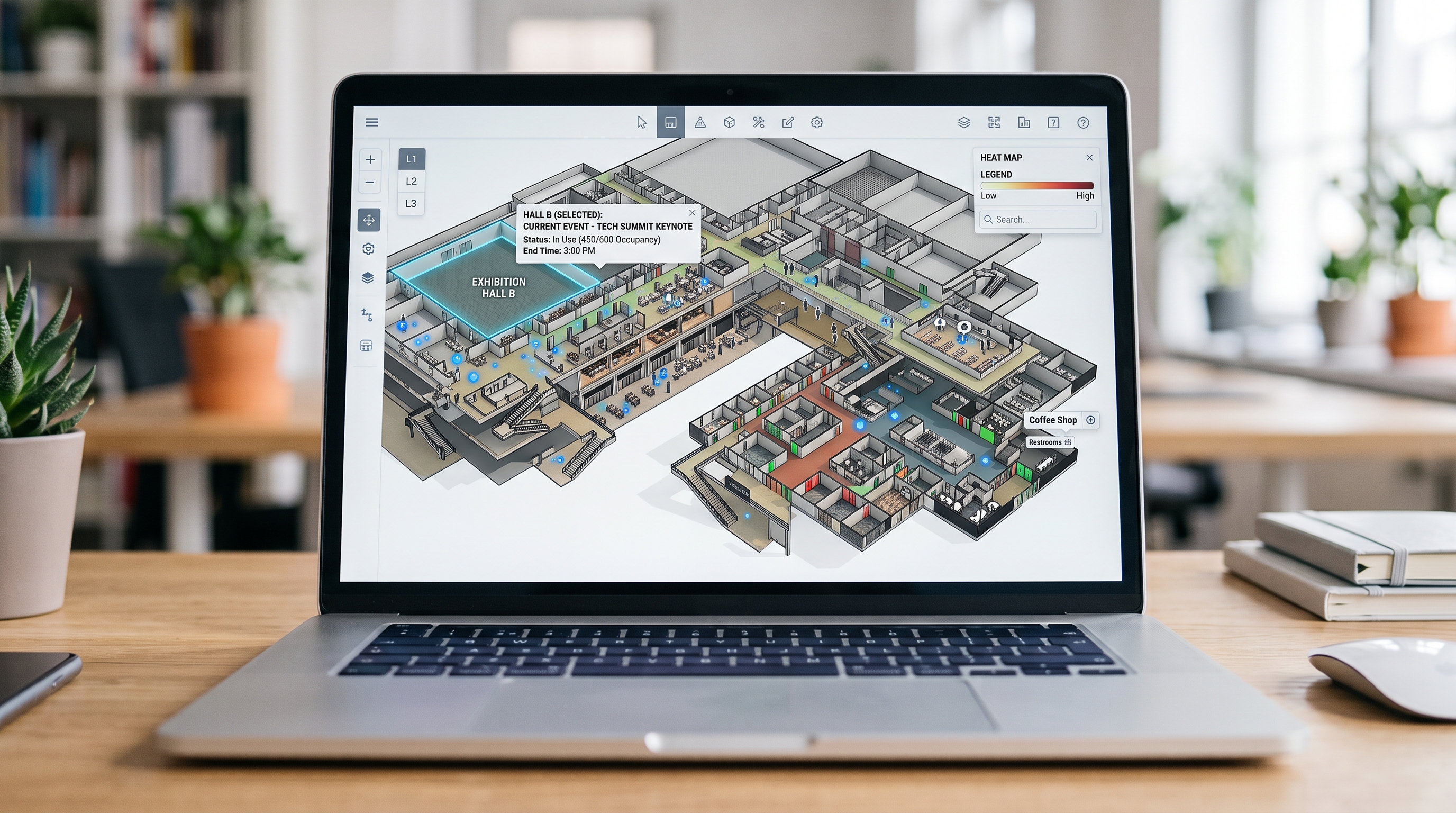
You get evidence. You learn which brands are searched most often, which searches end without a visit, and which units people look for but cannot find. That information belongs in your next leasing conversation.
This is a leasing tool, not a marketing tool
Most malls treat wayfinding as part of visitor experience. It sits in the marketing budget, next to events and seasonal decoration.
That placement is too small for what it does.
When your upper floors become findable, three commercial things happen. You protect rent instead of discounting it. You reduce churn on the floors that are hardest to lease. And you replace opinion with data in every renewal negotiation.
That is asset management. It belongs in the asset management conversation.
The meeting can go differently
Your upper-floor tenant will come back next year with the same report.
You can offer him a discount again. Or you can show him how many people searched for his brand inside your mall, how many of them were routed to his door, and how that number moved over twelve months.
One of those conversations ends with lower income. The other ends with a partner.
You cannot move the escalators. You can decide how easily your shoppers find what they came for.
NEARMOTION builds live indoor maps and navigation for airports, hospitals, universities and shopping malls across Saudi Arabia and the wider region. Our platform powers wayfinding at venues including King Khalid International Airport, King Fahad Medical City, Prince Sultan University and Riyadh Gallery Mall.
Want to see what your visitors are searching for inside your venue? Talk to an expert.
Featured Success Stories
See how businesses like yours are leveraging Nearmotion to createimpactful indoor experiences.


Send Us a Message
Fill out the form below, and our team will get back to you shortly.





Find Your Perfect Solution
Ready to transform your retail space? NEARMOTION offers tailored solutions. Discuss with an expert or start building your map for free.