|

Making Venue Maps More Accessible with QR Codes
Static maps have been a standard part of hospitals, malls, airports, universities, and large venues for years. They show visitors where they are and where key destinations are located.

But there is a fundamental limitation: a static map only shows information. It does not help the visitor navigate.

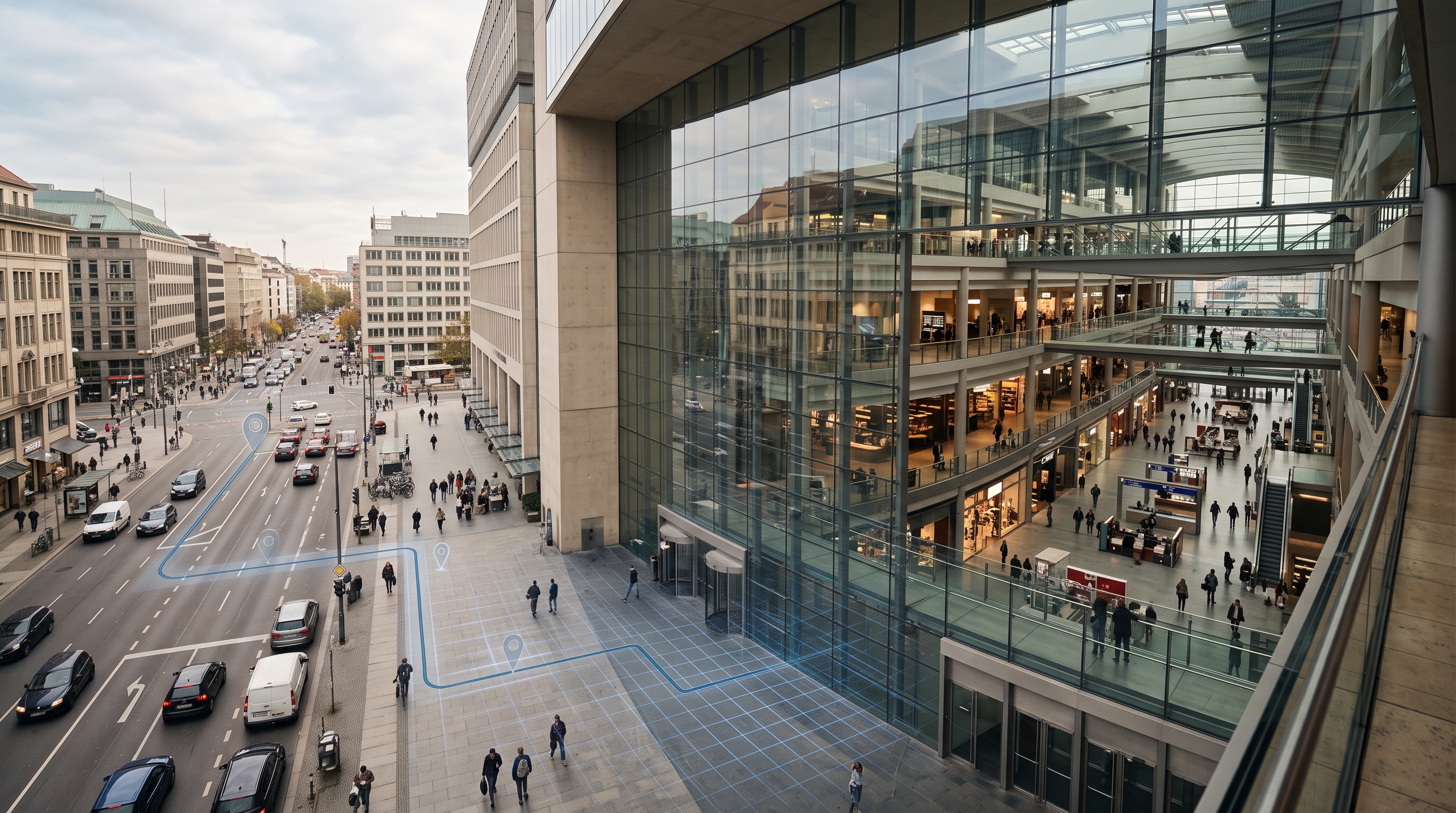
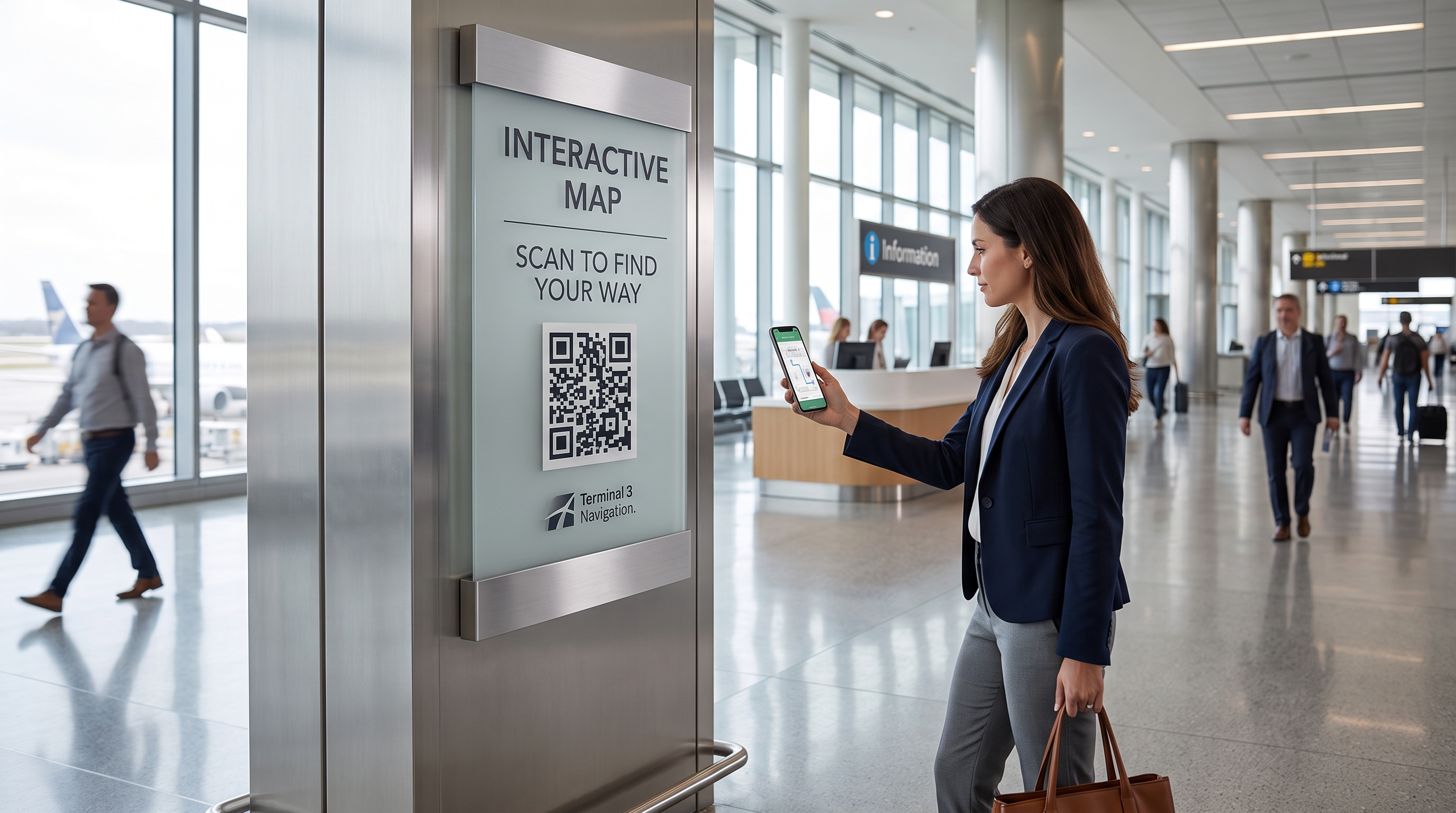
Today, venues can turn almost any physical sign, directory, or entrance point into an access point for a digital interactive map using something as simple as a QR code.

From looking at a map to using a map

Imagine entering a large hospital and seeing a QR code next to the reception sign.

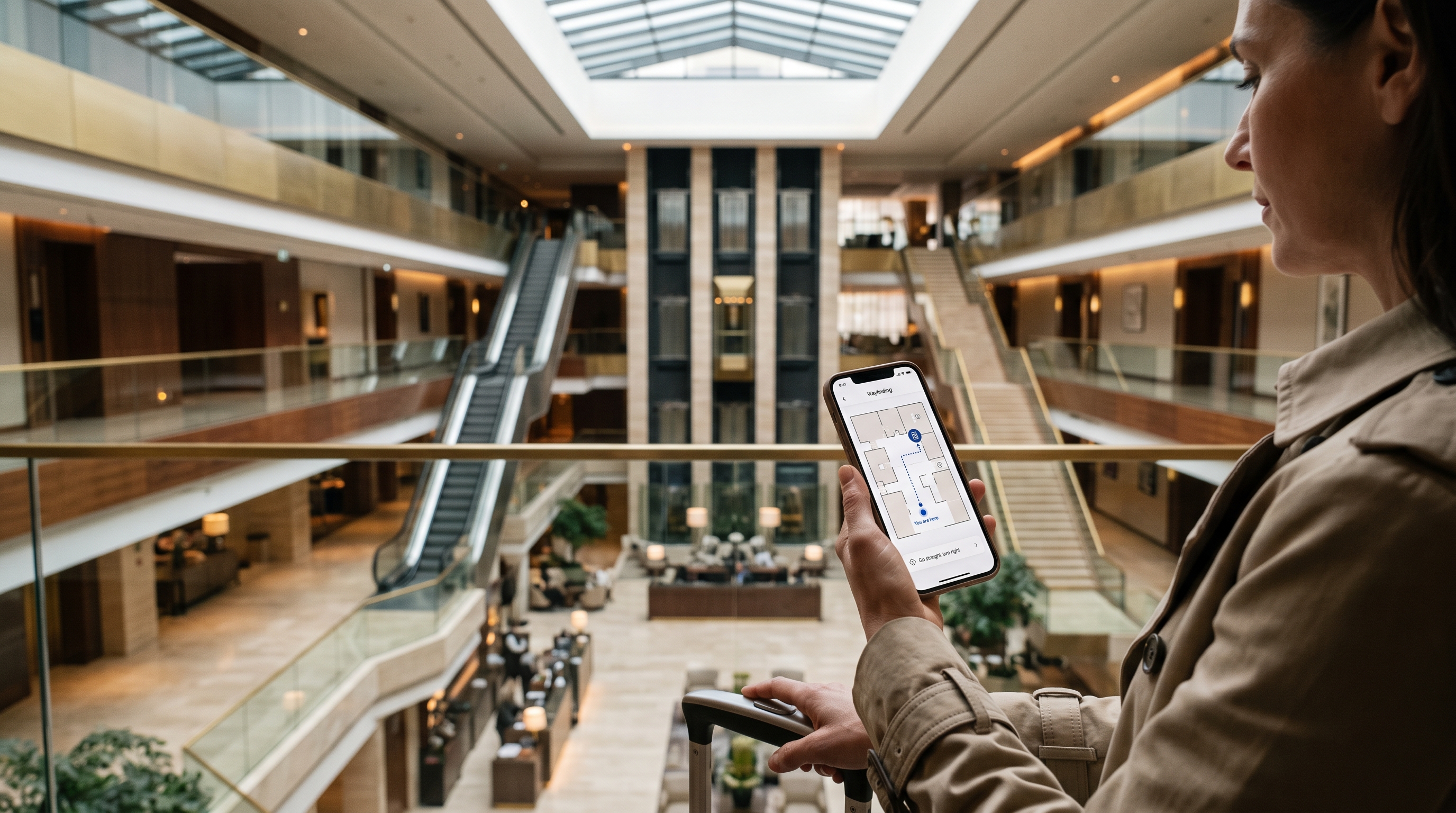
Instead of studying a large floor plan and trying to understand where a department is located, the visitor scans the QR code and immediately opens the venue's interactive map on their phone.

They can then:

  • Search for a department, doctor, clinic, store, gate, restroom, or other destination
  • See their location and the destination on the map
  • Get step-by-step directions
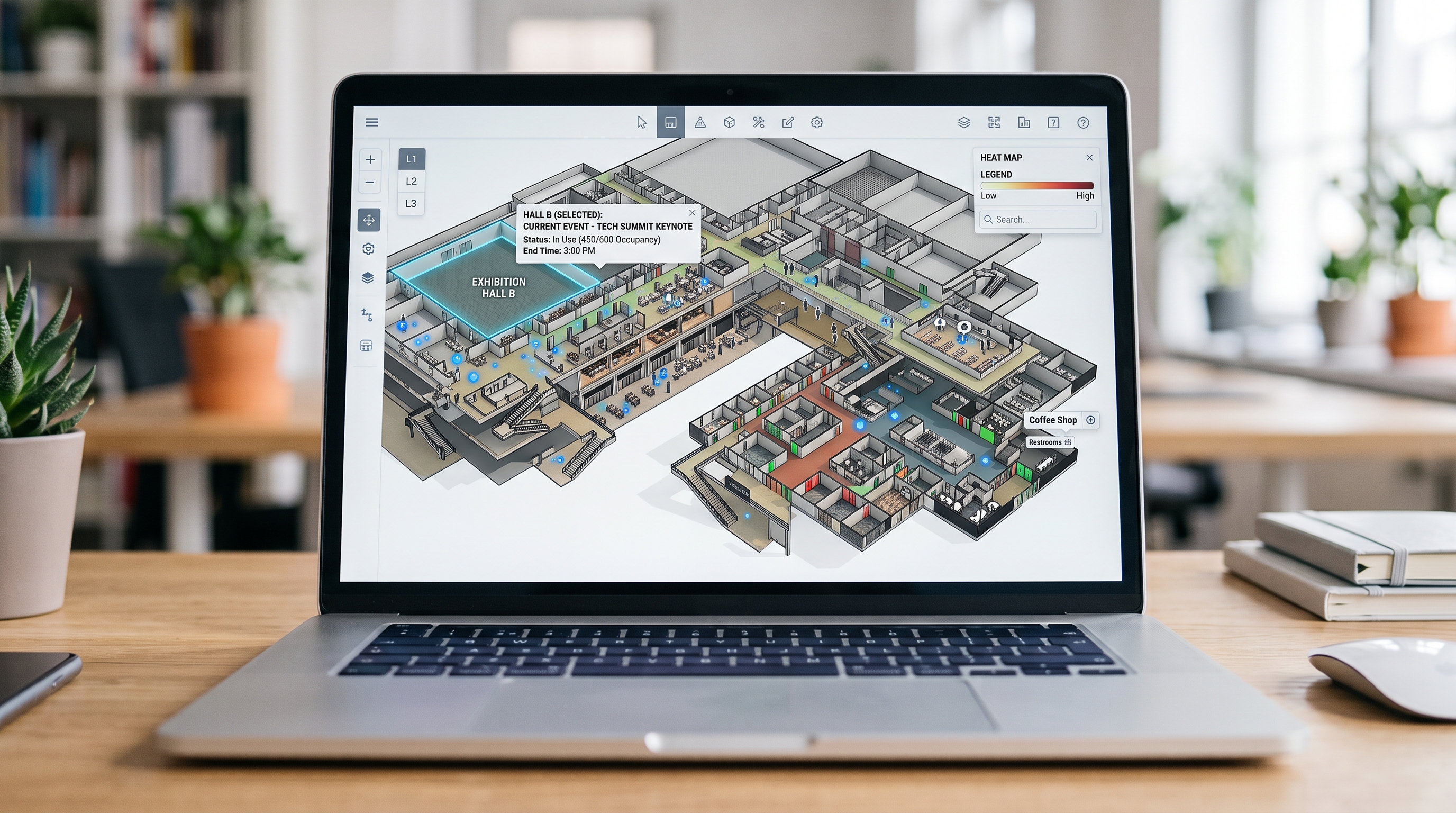
  • Switch between floors
  • Navigate between indoor and outdoor areas
  • Access information about specific locations
  • Use the map in Arabic or English

The physical sign remains simple, while the digital experience provides the depth of information.

Why replace static maps?

Static maps are difficult to maintain and limited in what they can communicate.

When a department moves, a store changes, a new building opens, or a layout is modified, printed maps need to be redesigned, printed, distributed, and replaced.

An interactive web map can be updated centrally.

More importantly, visitors don't have to interpret the map themselves. The system can calculate a route based on their selected destination.

This changes the role of venue signage from "Here is a map" to "Here is your way to where you need to go."

QR codes can turn the entire venue into a digital map network

A venue does not need to install a screen at every location to provide digital wayfinding.

QR codes can be placed at:

  • Main entrances
  • Reception areas
  • Parking areas
  • Elevator lobbies
  • Corridors
  • Information desks
  • Waiting areas
  • Building entrances
  • Event areas
  • Outdoor pathways

Each QR code can open the same web-based interactive map while providing a relevant starting point based on where the visitor scanned it.

For example, a QR code beside an elevator on the third floor can open the map with that elevator already identified as the visitor's starting location.

This makes digital wayfinding available throughout the venue without requiring dedicated hardware everywhere.

No app download required

One of the biggest advantages of a web-based map is accessibility.

Visitors don't necessarily need to download an application before they can use the service.

They scan the QR code with their phone camera, open the link, and start using the map through their mobile browser.

For occasional visitors, patients, tourists, shoppers, students, and first-time guests, this can remove an important barrier to accessing wayfinding.

A practical layer alongside kiosks and mobile apps

QR-based web wayfinding does not have to replace every other navigation channel.

A large venue may use several interfaces together:

Kiosks for visitors who need a large-screen experience.

Mobile apps for users who need advanced features and real-time positioning.

Web maps for quick access without installation.

QR codes to connect the physical venue to the digital map.

The result is a wayfinding ecosystem where visitors can access the appropriate experience based on their situation.

The physical venue becomes the entry point

The interesting part is not the QR code itself.

It is the connection between the physical environment and the digital environment.

A visitor sees a physical sign, scans a QR code, and immediately accesses a digital representation of the venue.

That digital layer can contain much more than directions: departments, services, stores, facilities, accessibility information, operating hours, points of interest, and other location-based information.

Instead of placing more information onto physical signs, venues can provide access to the information digitally.

A simple change with a significant impact

For venue operators, this approach can also reduce dependence on printed wayfinding materials while making information easier to update.

For visitors, the experience becomes simpler:

See QR code → Scan → Search → Navigate.

That is a very different experience from standing

Send Us a Message

Fill out the form below, and our team will get back to you shortly.

Thank you! Your submission has been received!
Oops! Something went wrong while submitting the form.

Find Your Perfect Solution

Ready to transform your retail space? NEARMOTION offers tailored solutions. Discuss with an expert or start building your map for free.