
لماذا يجب على كل موقع امتلاك خريطته الرقمية الخاصة
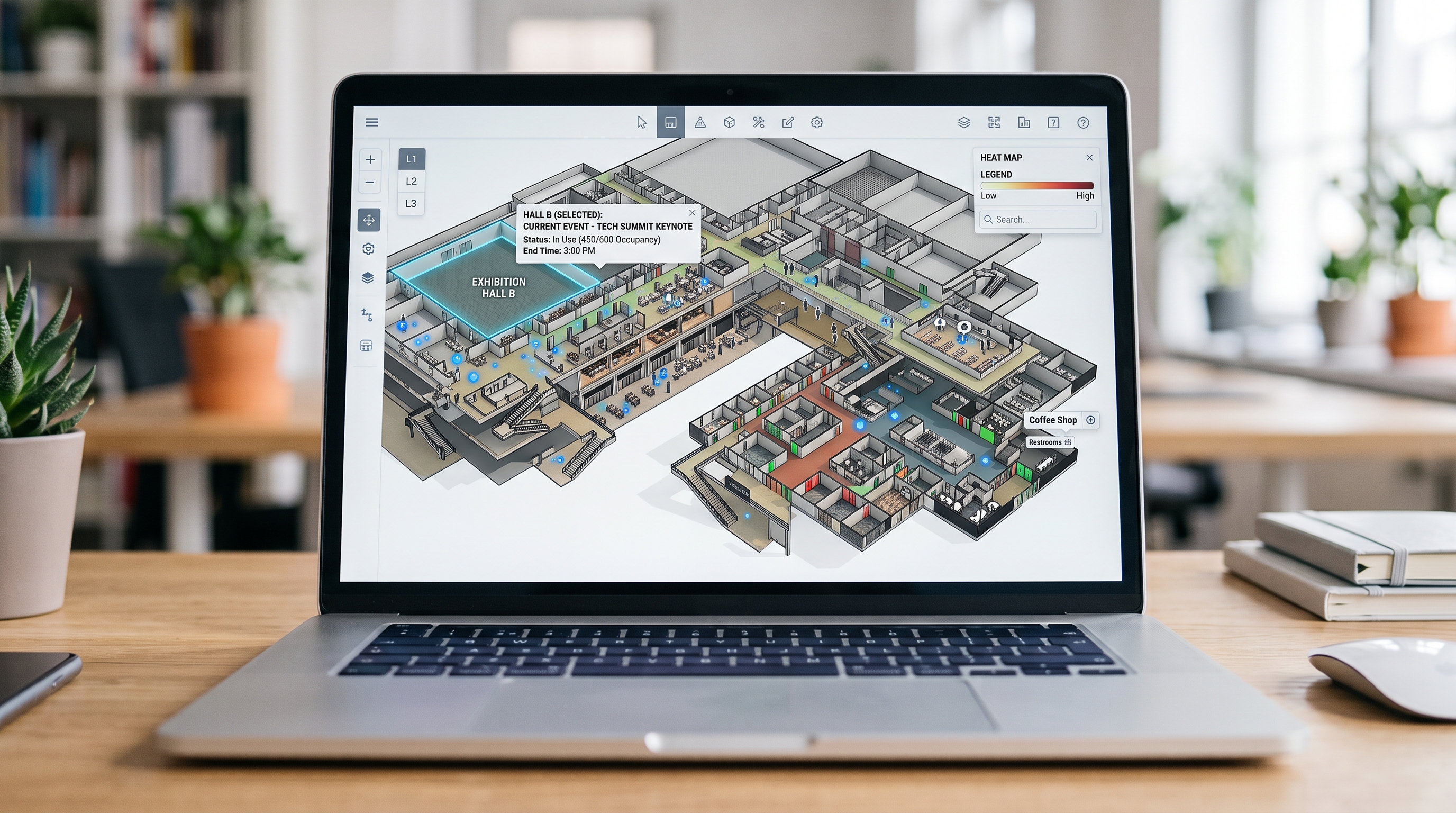
بالنسبة للعديد من الأماكن، لا تزال الخرائط الرقمية تُعامل كمجرد ميزة إضافية: خريطة تُدرج في موقع إلكتروني، أو تطبيق، أو جهاز عرض تفاعلي، أو كحل لتحديد الاتجاهات يتم توفيره كجزء من نظام آخر.
ولكن بالنسبة للمطارات، والمستشفيات، والجامعات، ومراكز التسوق، ومراكز المعارض، والوجهات الكبرى متعددة الاستخدامات، أصبحت الخريطة الرقمية شيئاً أكثر أهمية بكثير.
إنها تمثيل رقمي للمكان نفسه.
وكما هو الحال مع الأصول الرقمية الأساسية الأخرى، ينبغي على هذه الأماكن التفكير في امتلاكها والتحكم فيها.
الخريطة الرقمية أكثر من مجرد أداة لتحديد الاتجاهات
يمكن لخريطة المكان العصرية أن تحتوي على أكثر بكثير من مجرد المباني ونقاط الاهتمام.
يمكنها تمثيل المداخل، والطوابق، والغرف، والمتاجر، والمطاعم، والخدمات، ومناطق وقوف السيارات، ومسارات الوصول، وممرات المشاة، والمرافق، والأصول، وغيرها من المعلومات التشغيلية.
كما يمكنها تشغيل:
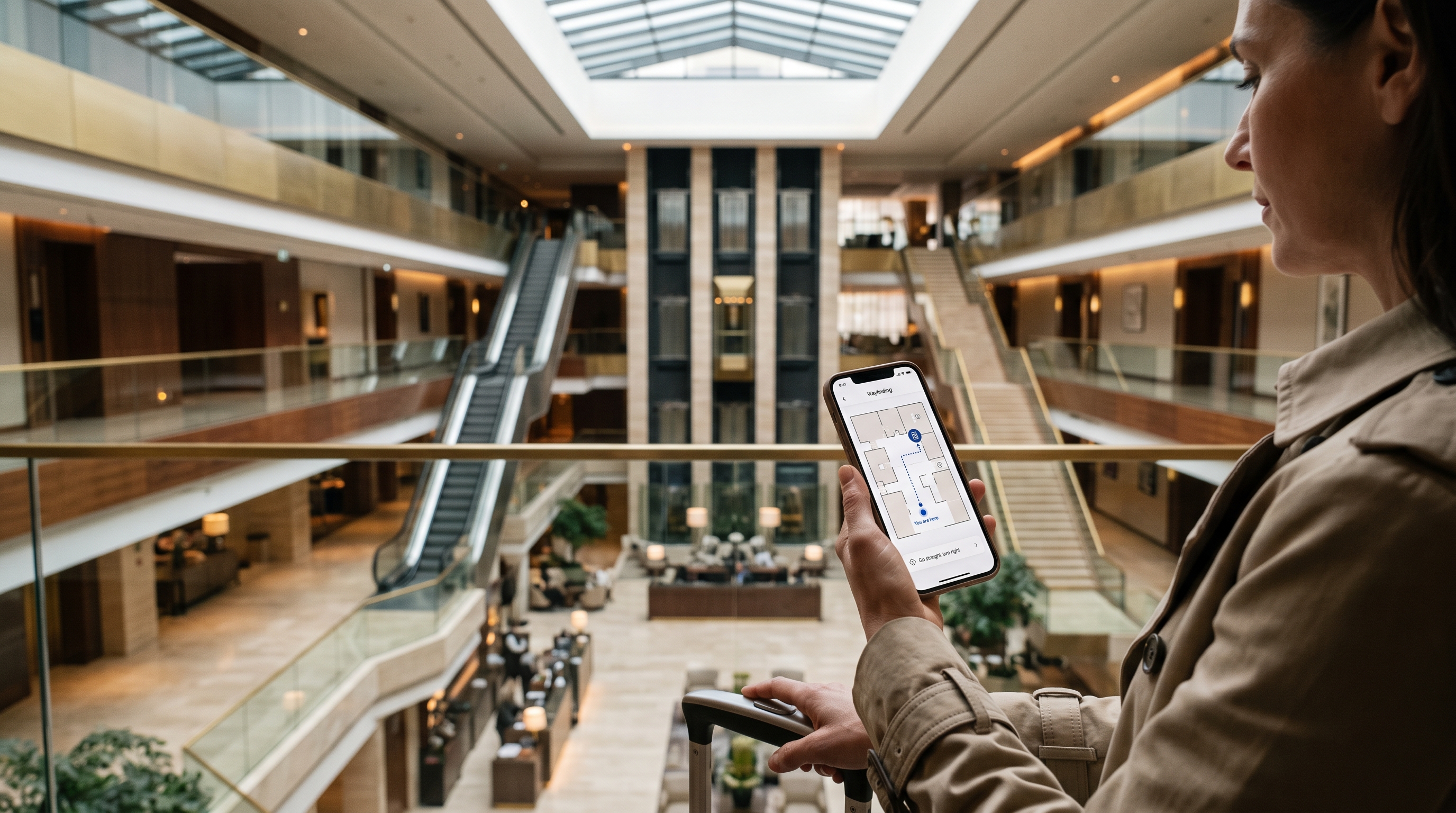
- تحديد الاتجاهات داخل وخارج المباني
- تطبيقات الهاتف المحمول
- الخرائط الإلكترونية
- أجهزة العرض التفاعلية
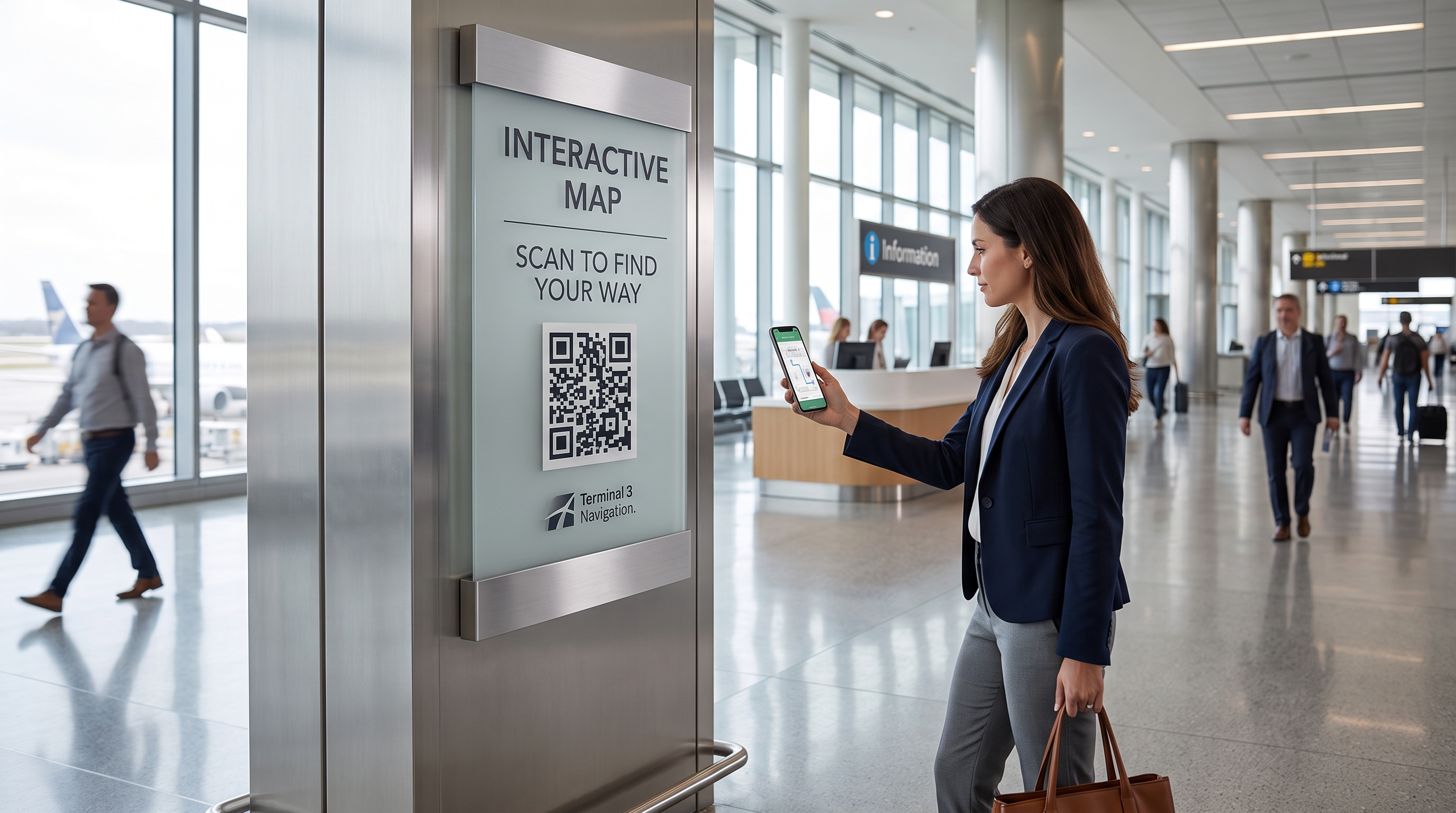
- التنقل عبر رموز الاستجابة السريعة QR
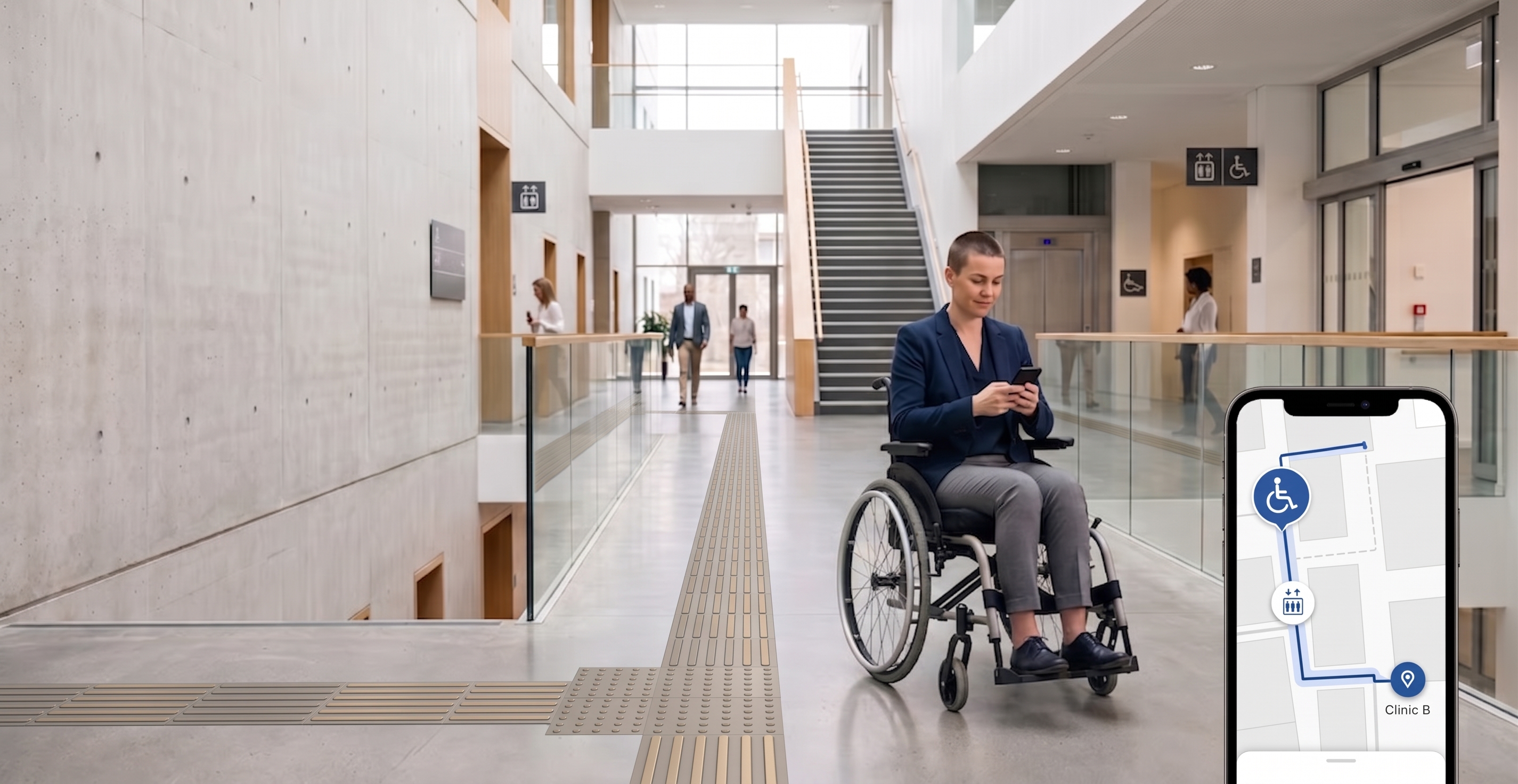
- تحديد مسارات الوصول لذوي الاحتياجات الخاصة
- اللوحات الإرشادية الرقمية
- مواقف السيارات الذكية
- تتبع الأصول
- تطبيقات إدارة المرافق
- التوائم الرقمية
- الخدمات القائمة على الموقع
وهذا يجعل الخريطة طبقة أساسية يمكن للعديد من تجارب الزوار والعمليات التشغيلية الاستفادة منها.
إذا لم تكن الجهة المسؤولة عن المكان هي من يتحكم في تلك الطبقة، فقد تصبح رهينة لطرف ثالث في كل مرة تتغير فيها بيئتها المادية.
المواقع تتغير باستمرار
نادراً ما يكون المكان ثابتاً.
تُفتح المتاجر وتُغلق، وتنتقل الأقسام، ويُعاد تصميم قاعات المعارض، وتُضاف مبانٍ جديدة، وتتغير مناطق وقوف السيارات، وتُنقل المداخل، وتخلق الفعاليات المؤقتة مساحات ومسارات جديدة.
في الأماكن الكبيرة، يمكن حتى للتغيير المادي البسيط أن يؤثر على آلاف الزوار.
إذا كانت الخريطة الرقمية تحت سيطرة المكان، يمكن أن تصبح هذه التغييرات جزءاً من عملية صيانة رقمية مستمرة.
يمكن للمكان تحديث مساحاته، ونقاط الاهتمام، والمسارات، والمعلومات دون الحاجة إلى التعامل مع كل تغيير كمشروع تقني جديد بالكامل.
يجب أن تصبح الخريطة مصدراً واحداً للحقيقة المكانية
أحد أكبر التحديات في الأماكن الكبيرة هو أن الأنظمة المختلفة قد تحتوي على إصدارات متباينة لنفس معلومات الموقع.
قد يعرض الموقع الإلكتروني مدخلاً واحداً.
وقد يعرض تطبيق الهاتف المحمول مدخلاً آخر.
وقد تحتوي شاشة العرض التفاعلية (الكشك) على معلومات قديمة عن المتاجر.
وقد يستخدم نظام إدارة المرافق معرفات مختلفة للمباني أو الغرف.
وقد يكون لنظام اللوحات الرقمية بيانات طوابق خاصة به.
يمكن للخريطة الرقمية المملوكة للمكان أن توفر أساساً مكانياً مشتركاً لهذه التجارب.
بدلاً من إنشاء خريطة منفصلة لكل تطبيق، يمكن للمكان الاحتفاظ بنموذج مكاني موثوق واحد والسماح للأنظمة المختلفة باستهلاك المعلومات التي تحتاجها.
الملكية تمنح المرونة
تتغير التكنولوجيا بسرعة.
قد تستخدم المنشأة تطبيقاً للهاتف المحمول اليوم وتستبدله بعد عامين. وقد تغير منصة إدارة المرافق الخاصة بها، أو تقدم توأماً رقمياً جديداً، أو تنشر أكشاكاً جديدة، أو تدمج تقنية تحديد مواقع مختلفة.
إذا كانت الخريطة الأساسية مملوكة لتطبيق تابع لجهة خارجية، فإن تغيير ذلك التطبيق قد يؤدي أيضاً إلى خلق تبعية في الخرائط.
عندما تمتلك المنشأة خريطتها الرقمية وبياناتها المكانية، يمكن أن تظل الخريطة مستقلة عن طبقة التطبيق.
يمكن للمنشأة تغيير التطبيقات دون الحاجة إلى إعادة بناء تمثيلها الرقمي من الصفر.
تصبح الخريطة طبقة تكامل
يمكن للخريطة الرقمية جيدة التنظيم أن تربط بين تقنيات المنشأة المختلفة.
على سبيل المثال:
الخريطة الرقمية ← إيجاد المسارات
يمكن للزوار البحث عن وجهة والحصول على اتجاهات داخلية أو خارجية.
الخريطة الرقمية ← مواقف السيارات الذكية
يمكن ربط مواقع مواقف السيارات ومدى توفرها بالبيئة المكانية للمنشأة.
الخريطة الرقمية ← نظام إدارة المرافق (FMS)
يمكن ربط المرافق والأصول والغرف ومعلومات الصيانة بمواقعها الفعلية.
الخريطة الرقمية ← التوأم الرقمي
يمكن أن تصبح الخريطة واجهة الملاحة والواجهة المكانية لتمثيل رقمي أكثر ثراءً للمنشأة.
الخريطة الرقمية ← تطبيق الهاتف المحمول
يمكن لنفس البيانات المكانية دعم تنقل الزوار والخدمات القائمة على الموقع.
الخريطة الرقمية ← الأكشاك
يمكن للزوار البحث عن الوجهات وعرضها بشكل تفاعلي عبر نقاط التفاعل المادية.
ولهذا السبب لا ينبغي اعتبار الخريطة مجرد ميزة إضافية في التطبيق.
يمكن أن تكون بمثابة أساس مكاني للعديد من الخدمات الرقمية.
كما أن امتلاك الخريطة يعزز تجربة الزوار
لا يفكر الزوار في مزود التكنولوجيا الذي يشغل الخريطة.
هم يتوقعون ببساطة أن تكون المعلومات دقيقة.
يريدون معرفة:
- أين أنا؟
- أين وجهتي؟
- أي مدخل يجب أن أستخدم؟
- ما هو المسار المتاح؟
- كم سيستغرق الوصول؟
- أين أقرب دورة مياه؟
- أين يمكنني إيقاف سيارتي؟
- كيف أنتقل من مبنى أو طابق إلى آخر؟
تتيح الخريطة التي يتحكم فيها المكان تصميم هذه التجارب بناءً على رحلة الزائر، بدلاً من التقيد بحدود منصة خارجية معينة.
يجب أن تكون إمكانية الوصول جزءاً من الخريطة
تعد إمكانية الوصول سبباً آخر لاعتبار الخرائط الرقمية أصلاً أساسياً من أصول المكان.
يمكن للخريطة الأساسية أن توضح موقع الوجهة فقط.
يمكن للخريطة التي تراعي إمكانية الوصول أن تحدد أيضاً أفضل السبل للوصول إلى الوجهة.
على سبيل المثال، قد يحتاج المسار إلى مراعاة المصاعد، والمنحدرات، والمداخل المجهزة، والمناطق المقيدة، والسلالم، أو أي عوائق مادية أخرى.
يمكن لهذه المعلومات بعد ذلك دعم أنظمة التوجيه الميسرة عبر الويب، وتطبيقات الهاتف المحمول، وأكشاك الخدمة الذاتية، وغيرها من نقاط تواصل الزوار.
وبذلك، تصبح الخريطة أكثر من مجرد تمثيل مرئي، بل تتحول إلى نموذج يوضح كيفية تنقل الأشخاص داخل المكان.
بيانات المكان ذات قيمة طويلة الأمد
تستثمر الأماكن الكثير من الجهد لفهم بيئتها المادية.
تُعد مخططات الطوابق، ونقاط الاهتمام، والمداخل، والمرافق، والمسارات، ومناطق وقوف السيارات، والعلاقات المكانية معلومات تشغيلية قيّمة.
ومع تطور المكان، تزداد أهمية هذه المعلومات.
إن الاحتفاظ بالخريطة الرقمية تحت سيطرة المكان يضمن بقاء هذه المعرفة المكانية متاحة حتى عند تغيير مزودي التكنولوجيا أو التطبيقات أو المشاريع الفردية.
الهدف ليس مجرد امتلاك ملف خريطة.
بل هو الحفاظ على تمثيل رقمي محدث للمكان يمكنه دعم الخدمات المستقبلية.
من مجرد مشروع إلى بنية تحتية
يتمثل التحول الأكبر في تغيير طريقة تفكير الأماكن بشأن الخرائط الرقمية.
بدلاً من قول:
"نحتاج إلى خريطة لتطبيقنا على الهاتف المحمول."
فكر في:
"نحتاج إلى طبقة مكانية رقمية لمكاننا."
فالنهج الأول ينتج مجرد ميزة إضافية.
أما الثانية فتُعنى بإنشاء البنية التحتية.
بمجرد امتلاك الموقع لخريطة رقمية وصيانتها بشكل مستمر، يمكن بناء تطبيقات جديدة تعتمد عليها.
يمكن إضافة ميزات تحديد المسارات.
يمكن توسيع نطاق إمكانية الوصول.
يمكن ربط أنظمة مواقف السيارات الذكية.
يمكن للتوائم الرقمية استخدام نفس الأساس المكاني.
يمكن لتطبيقات الزوار الجديدة الاستفادة من نفس البيانات.
يمكن دمج التقنيات المستقبلية دون الحاجة إلى البدء بعملية رسم الخرائط من جديد.
السؤال الاستراتيجي
لذا، فإن السؤال الذي يطرحه مشغلو المواقع ليس ببساطة:
"أي خريطة رقمية يجب أن نستخدم؟"
السؤال الأكثر أهمية هو:
"من يملك التمثيل الرقمي لموقعنا؟"
بما أن الموقع المادي ملك للمشغل، فإن نظيره الرقمي يمكن أن يصبح أصلاً لا يقل أهمية عنه.
الموقع الذي يمتلك خريطته الرقمية يمكنه الحفاظ على سيطرته على بياناته المكانية، وتكييفها مع تغيرات الموقع، وربطها بأنظمة أخرى، وبناء تجارب جديدة للزوار على نفس الأساس.
لم يعد رسم الخرائط الرقمية مقتصرًا فقط على مساعدة الزوار في العثور على وجهاتهم.
بل يمكن أن يصبح البنية التحتية المكانية التي تربط الموقع المادي بتجربته الرقمية.
Featured Success Stories
See how businesses like yours are leveraging Nearmotion to createimpactful indoor experiences.


أرسل لنا رسالة
يرجى تعبئة النموذج أدناه، وسيتواصل معك فريقنا في أقرب وقت ممكن.




Find Your Perfect Solution
هل أنت مستعد لتحويل مساحة التجزئة الخاصة بك؟ تقدم NEARMOTION حلولاً مخصصة. ناقش احتياجاتك مع أحد خبرائنا أو ابدأ في بناء خريطتك مجاناً.