
Outdoor Maps Are Essential. Why Is Indoor Navigation Still Overlooked?
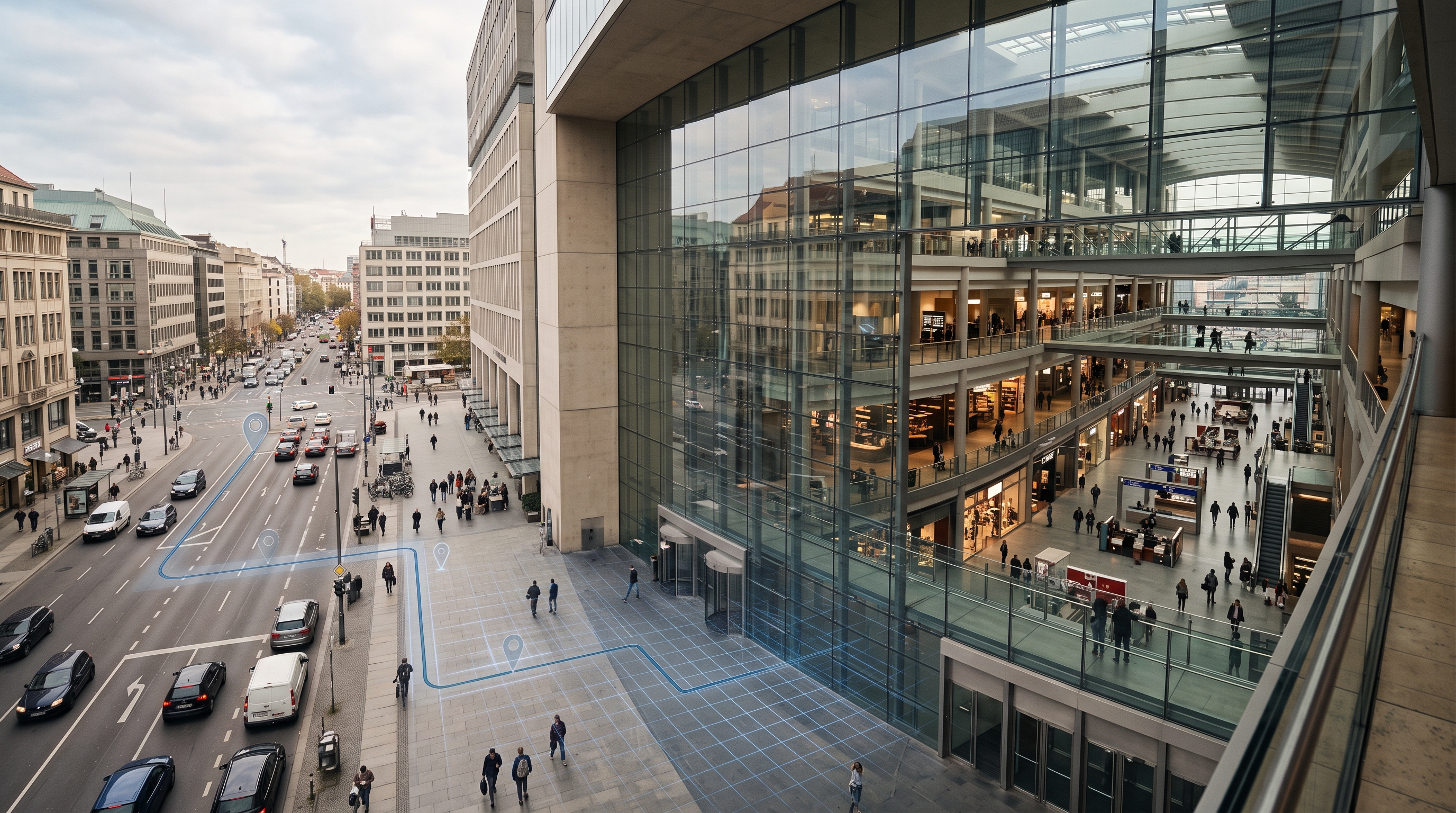
The Indoor Navigation Gap: Why Do We Accept Getting Lost in Major Venues?
Google Maps has changed the way we move through the world. We use it to discover places, plan journeys, avoid traffic, and navigate unfamiliar streets. We rarely question its value because the benefit is obvious: it saves time, reduces uncertainty, and helps us get where we need to go.
Now consider what happens when we arrive at a major hospital, shopping mall, airport, university, or exhibition center. We may know exactly which building we need to reach, yet finding a specific department, store, clinic, or meeting room can become an entirely different challenge.
We have made navigation outside buildings remarkably simple. Why has the same expectation not become standard inside them?
A Familiar Problem That Rarely Becomes a Priority
Large venues are becoming increasingly complex. They span multiple floors, connect different buildings, accommodate hundreds of destinations, and serve visitors with different needs. Yet indoor navigation often remains dependent on static directories, directional signs, printed maps, and staff assistance.
These methods are necessary, but they do not always provide the flexibility people have come to expect from digital experiences. Visitors cannot always search for a destination, see precisely where it is, or receive directions that guide them through the building.
The interesting part is that people have learned to live with this gap. They arrive earlier, ask for directions, retrace their steps, or accept that finding a destination takes longer than expected. Staff spend time answering recurring questions, while venue operators may view these situations as unavoidable aspects of managing a large space.
When a problem becomes part of the routine, it can be difficult to recognize it as an opportunity for improvement.
The Technology Exists. So What Is Holding Adoption Back?
Indoor mapping and navigation are no longer emerging concepts. Interactive digital maps, indoor routing, mobile navigation, accessibility features, and location-aware experiences can help visitors navigate complex environments.
The challenge, therefore, is not always the absence of a solution. It is that the need has not yet been clearly articulated as a business priority.
Venue decision-makers naturally focus on major operational responsibilities, digital transformation initiatives, customer experience, and infrastructure investments. Navigation may be addressed through signage or customer service without being considered a digital service in its own right.
As a result, the cost of the problem can remain largely invisible. Repeated requests for directions, time spent locating destinations, difficulty discovering services, and barriers faced by visitors with accessibility needs may be treated as separate issues rather than symptoms of the same underlying challenge.
What organizations do not recognize as a problem, they are unlikely to prioritize as an investment.
This is not a question of whether every venue needs the same technology. It is a question of whether venue operators have fully considered the role navigation plays in the experience they deliver.
Indoor Navigation Is More Than Finding a Room
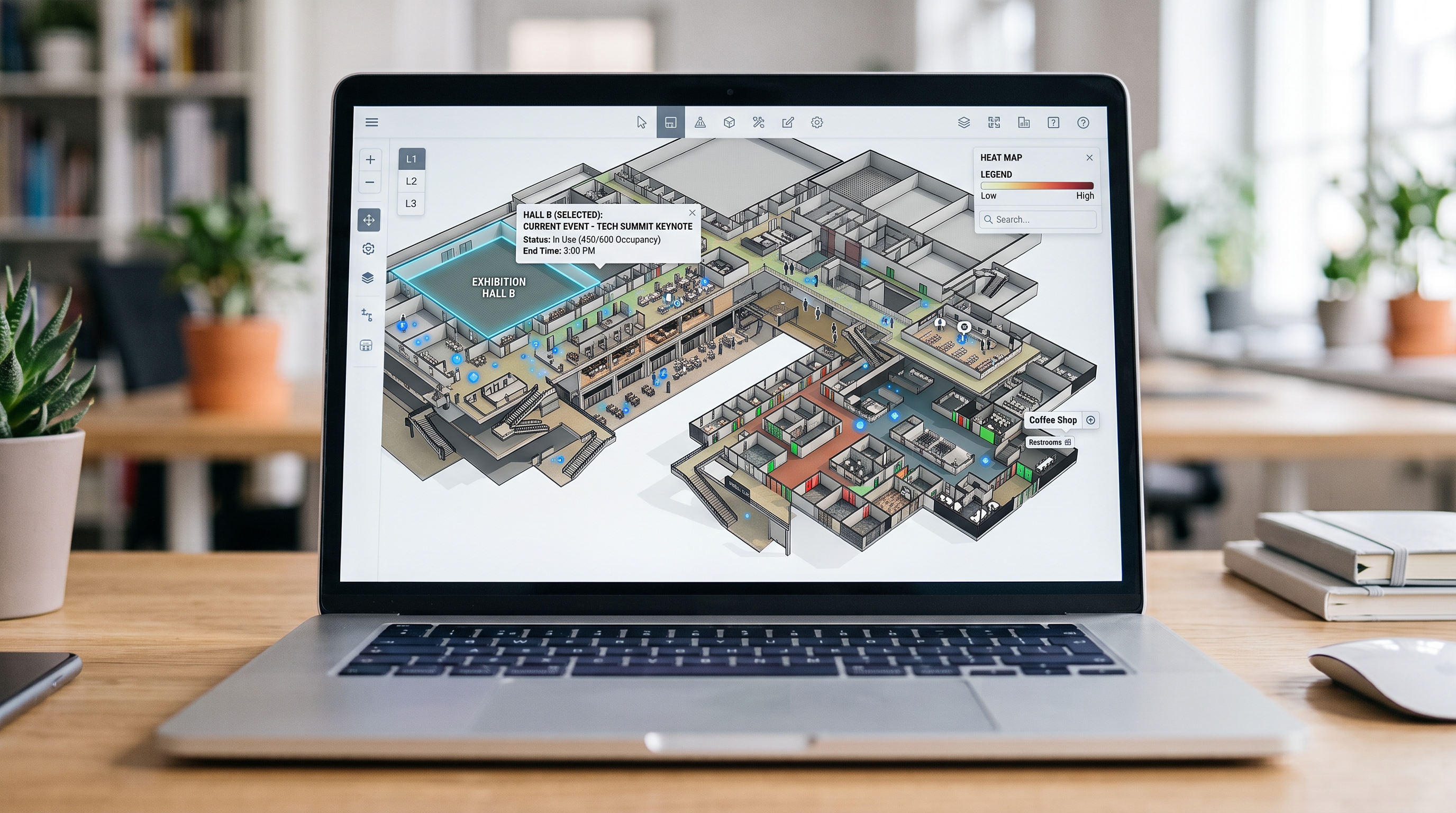
A digital indoor map is not simply a floor plan displayed on a screen. When designed around the visitor's needs, it becomes an interactive layer connecting people with the services, destinations, and experiences available within a venue.
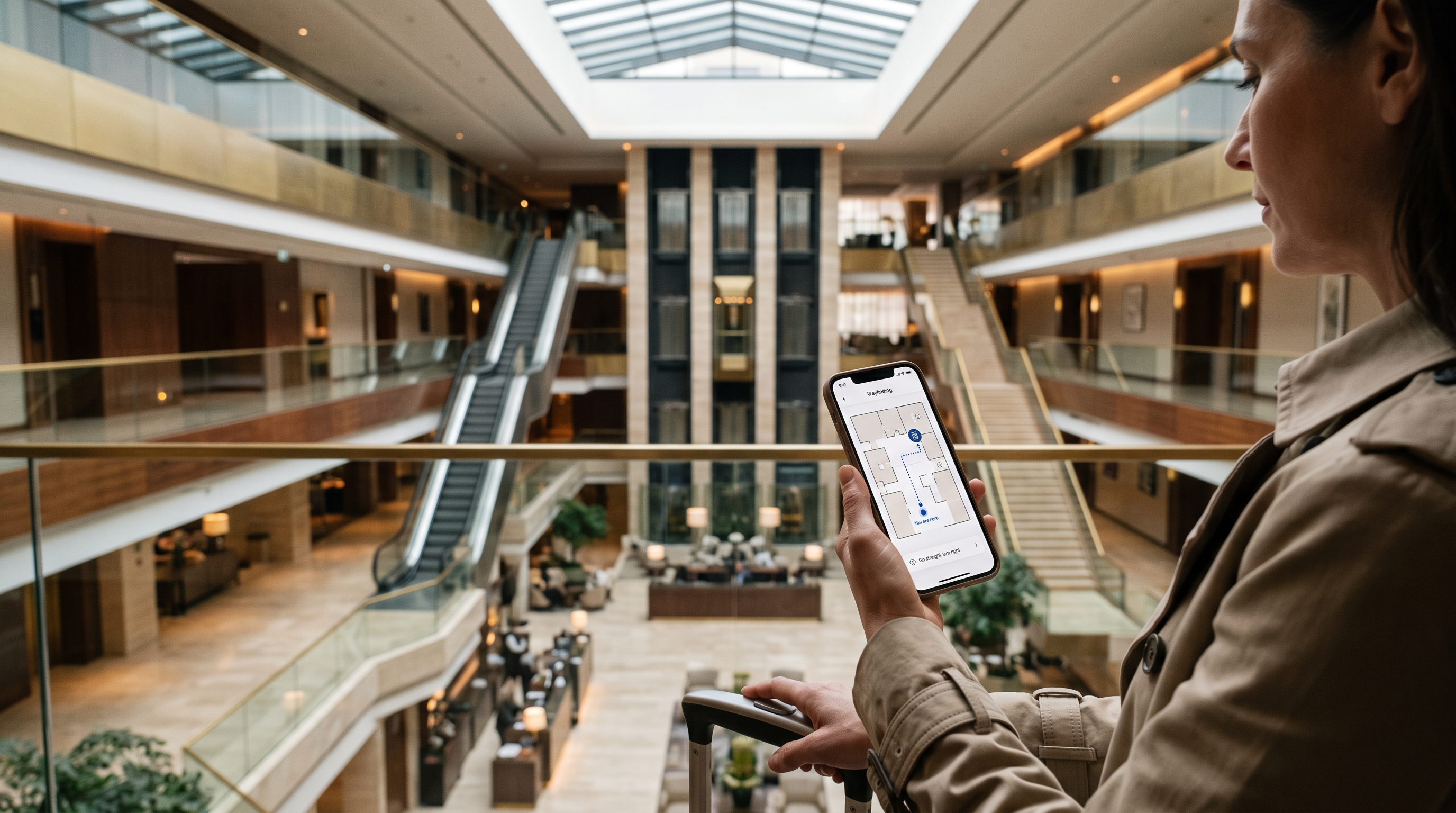
For a hospital, it can help patients and families locate clinics and departments with greater confidence. For a shopping mall, it can make stores, restaurants, and services easier to discover. For an airport or exhibition center, it can help visitors navigate complex layouts and plan their routes more effectively.
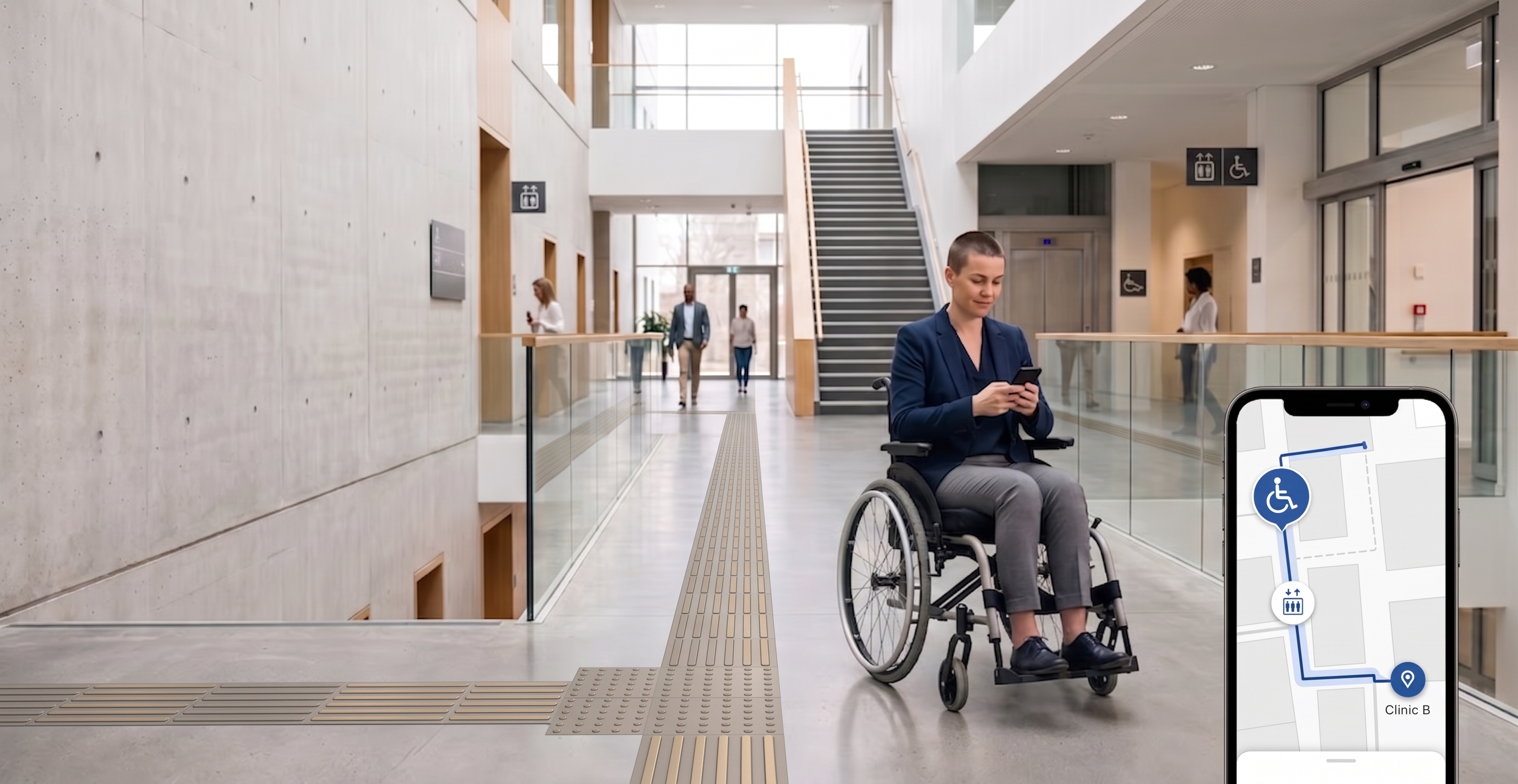
The benefits also extend to venue operators. Digital maps can support accessibility initiatives, reduce dependence on staff for routine directional enquiries, improve destination visibility, and provide a foundation for connecting wayfinding with other digital services.
The opportunity is to move from helping people understand where a destination might be to actively helping them reach it.
A New Expectation for the Visitor Experience
People do not necessarily ask for indoor navigation because they have not been shown what it can do. Often, they simply adapt to the experience available to them.
That is what makes this challenge particularly important for decision-makers. The absence of a clear demand does not necessarily mean the absence of a need. It may mean that visitors have normalized the inconvenience, while organizations have yet to recognize the potential of addressing it.
Google Maps did not make navigation valuable; it made that value visible and accessible in everyday life. It helped turn digital directions into an expectation rather than a novelty.
Major venues have an opportunity to extend that expectation indoors, using solutions suited to their environments, infrastructure, and visitors.
The question is no longer simply whether indoor navigation technology exists. It is whether venue operators are recognizing navigation as an essential part of the experience they are responsible for delivering.
At NEARMOTION, we believe the digital journey should not end at the entrance. By bringing interactive maps and indoor wayfinding to complex venues, organizations can make their spaces easier to understand, their destinations easier to discover, and the visitor experience more connected.
People already know the value of maps. The opportunity is to help venue decision-makers recognize where that value is still missing.
Featured Success Stories
See how businesses like yours are leveraging Nearmotion to createimpactful indoor experiences.


أرسل لنا رسالة
يرجى تعبئة النموذج أدناه، وسيتواصل معك فريقنا في أقرب وقت ممكن.





Find Your Perfect Solution
هل أنت مستعد لتحويل مساحة التجزئة الخاصة بك؟ تقدم NEARMOTION حلولاً مخصصة. ناقش احتياجاتك مع أحد خبرائنا أو ابدأ في بناء خريطتك مجاناً.