
إعادة التفكير في التنقل داخل الفنادق الكبيرة
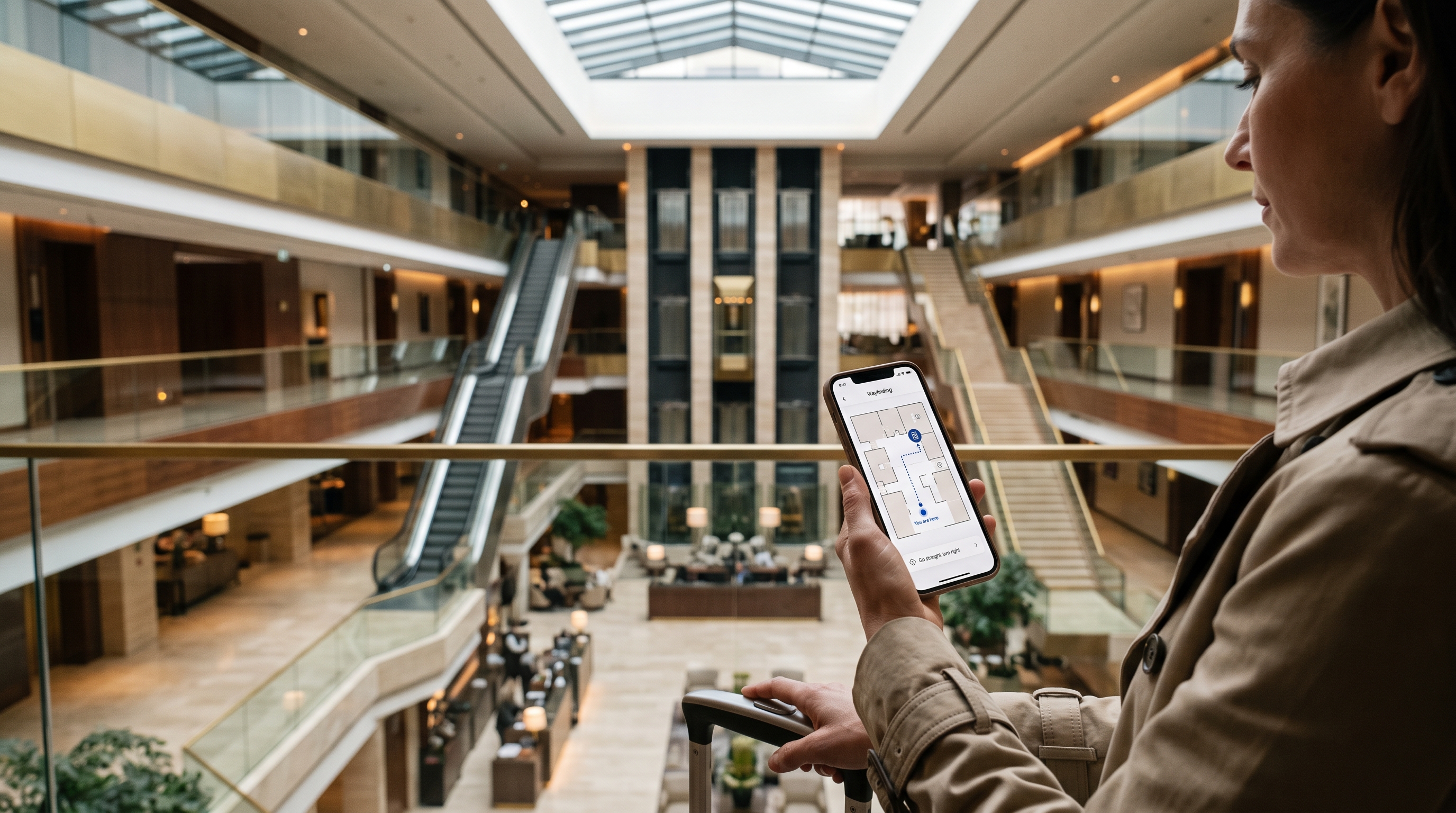
في الفنادق الصغيرة، قد لا يستغرق العثور على المطعم أو مكتب الاستقبال سوى بضع ثوانٍ.
أما في الفنادق الكبيرة أو المنتجعات أو المجمعات الفندقية، فقد تختلف التجربة تماماً.
فوجود أبراج متعددة، وطوابق كثيرة، ومداخل متنوعة، ومطاعم، وقاعات مؤتمرات، ومواقف سيارات، ومسابح، ومنتجعات صحية، وغيرها من المرافق، قد يجعل من المكان بيئة معقدة للضيوف، خاصة عند زيارتهم للمرة الأولى.
وهنا تتحول الخريطة الرقمية إلى أكثر من مجرد خريطة؛ إذ تصبح أداة عملية تربط الضيوف بكافة مرافق المنشأة.
منشأة واحدة، وجهات متعددة
يمكن أن تضم الفنادق الكبيرة مئات الغرف وعشرات الوجهات المختلفة.
قد يحتاج الضيف للانتقال من ردهة الاستقبال إلى قاعة اجتماعات، ثم إلى مطعم أو موقف سيارات أو برج آخر. ورغم أن اللوحات الإرشادية الثابتة قد تساعد، إلا أن الضيوف لا يزالون بحاجة إلى تفسيرها وتذكر مواقعهم.
توفر الخريطة الرقمية التفاعلية منصة موحدة للبحث عن الوجهات، وفهم مواقعها، والحصول على اتجاهات دقيقة.
دعم رحلة الضيف منذ لحظة الوصول
تبدأ عملية التنقل قبل أن يصل الضيف إلى غرفته.
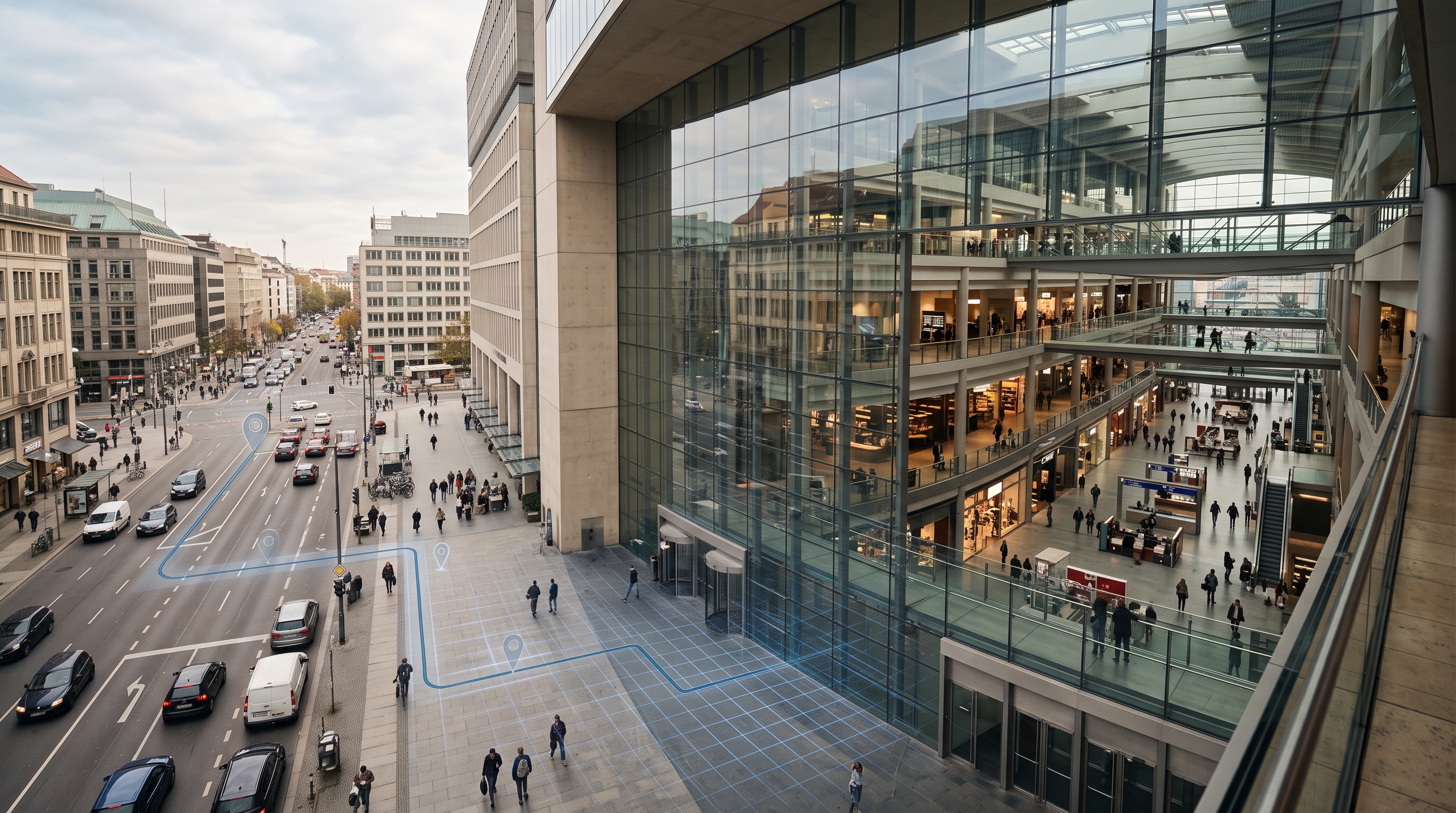
قد تحتوي المنشآت الكبيرة على مداخل متعددة، ونقاط إنزال، ومواقف سيارات، ومكاتب استقبال، ومصاعد، ومبانٍ متصلة.
تساعد الخريطة الرقمية الضيوف على استيعاب مرافق المنشأة منذ لحظة وصولهم، سواء كان ذلك عبر رمز الاستجابة السريعة (QR code)، أو الموقع الإلكتروني، أو تطبيقات الهاتف، أو شاشات العرض التفاعلية.
وهذا يساهم في تقليل الارتباك في أكثر مناطق المنشأة ازدحاماً.
تحديات إضافية للفنادق المخصصة للمؤتمرات
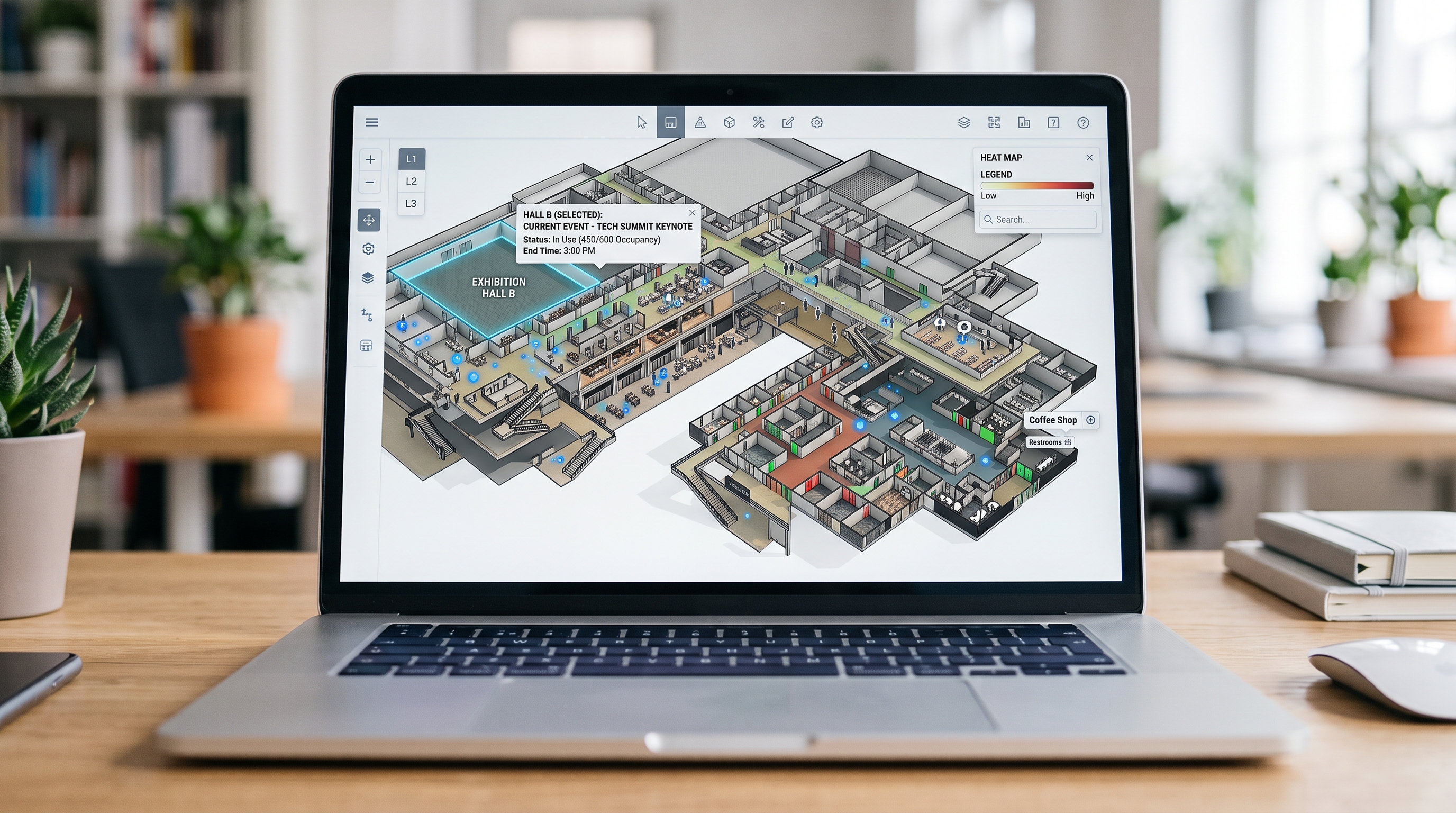
غالباً ما تعمل الفنادق الكبيرة أيضاً كوجهات لإقامة الفعاليات.
خلال المؤتمرات والمعارض، قد يصل مئات أو آلاف الزوار في وقت واحد، وكثير منهم يزورون المكان لأول مرة.
قد يحتاج هؤلاء إلى العثور على منطقة التسجيل، أو قاعة احتفالات معينة، أو قاعات فرعية، أو مطاعم، أو دورات مياه، أو مواقف للسيارات.
توفر أنظمة التوجيه الرقمي تجربة تنقل موحدة لجميع الحضور، مع تقليل عدد الاستفسارات الأساسية التي يتلقاها موظفو الفندق.
مساعدة الضيوف على اكتشاف المزيد
يمكن للخريطة الرقمية أيضاً أن تصبح جزءاً من التجربة التجارية للفندق.
يمكن عرض المطاعم والمقاهي والمنتجعات الصحية والصالات والأنشطة ومنافذ البيع بالتجزئة وغيرها من المرافق مباشرة على الخريطة.
بدلاً من مجرد معرفة الضيوف بوجود مرفق ما، يمكنهم رؤية موقعه والتوجه إليه مباشرة.
بالنسبة للمنشآت الكبيرة، يساعد هذا في تحويل الخريطة إلى قناة لاكتشاف الخدمات بدلاً من كونها مجرد أداة للتنقل.
سهولة الوصول عبر المنشآت المعقدة
تحتاج الفنادق الكبيرة أيضاً إلى مراعاة متطلبات التنقل المختلفة.
يمكن دمج المداخل والمصاعد والمنحدرات والمرافق المجهزة لذوي الاحتياجات الخاصة في الخريطة الرقمية وتجربة تحديد المسارات.
يمكن للضيوف اختيار المسارات التي تناسب احتياجاتهم بشكل أفضل، بينما توفر التوجيهات الصوتية والواجهات الميسرة دعماً إضافياً.
يعد هذا أمراً بالغ الأهمية خاصة عندما تقع المرافق المجهزة بعيداً عن مسارات الضيوف الرئيسية في الفندق.
طبقة مكانية موحدة للفندق
لا تقتصر قيمة الخريطة الرقمية على الضيوف فحسب.
يمكن للتمثيل الرقمي نفسه للمنشأة أن يدعم وظائف فندقية أخرى، بما في ذلك إدارة المرافق، وتتبع الأصول، ومواقف السيارات، والصيانة، والتخطيط التشغيلي.
يخلق هذا أساساً مكانياً مشتركاً لكل من تجربة الضيوف وعمليات الفندق.
الفرصة الأكبر
بالنسبة للفنادق الكبيرة، لا تكمن التحدي في مساعدة شخص ما على العثور على مطعم فحسب.
بل في جعل البيئة المادية المعقدة أسهل في الفهم والتنقل.
يمكن للخريطة الرقمية المصممة جيداً أن تربط مباني الفندق ومرافقه وخدماته وفعالياته وعملياته في تجربة مكانية واحدة.
بالنسبة للمنشآت التي يتنقل فيها آلاف الأشخاص عبر مساحات معقدة يومياً، يمكن أن يجعل ذلك من التوجيه الرقمي جزءاً مهماً من تجربة الفندق الشاملة.
قصص نجاح مختارة
اكتشف كيف تستفيد شركات مثل شركتك من Nearmotion لابتكار تجارب داخلية مؤثرة.



أرسل لنا رسالة
يرجى تعبئة النموذج أدناه، وسيتواصل معك فريقنا في أقرب وقت ممكن.



اعثر على الحل الأمثل لك
هل أنت مستعد لتحويل مساحة التجزئة الخاصة بك؟ تقدم NEARMOTION حلولاً مخصصة. ناقش احتياجاتك مع أحد خبرائنا أو ابدأ في بناء خريطتك مجاناً.