
What Makes a Destination Feel Smart to Visitors?
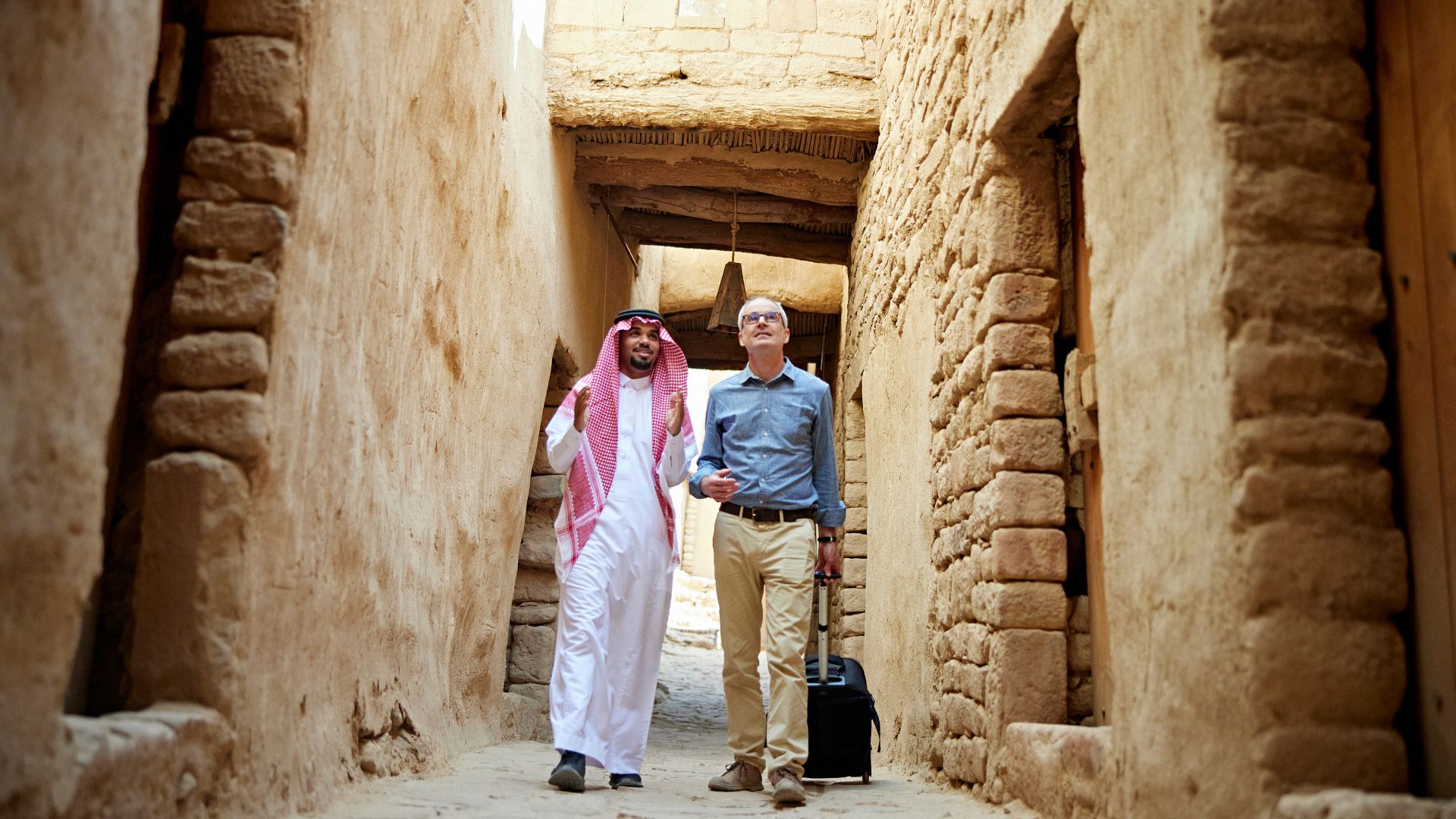
The Middle East is building some of the world’s most ambitious destinations. New districts, cultural sites, hospitals, mixed-use projects, and tourism hubs are growing fast. Many of them already have digital tools in place.
But there is still one common problem: the visitor journey is often fragmented.
A visitor may use one platform to discover a place, another app to book, a different system to enter, and then still feel lost when trying to navigate inside the destination. The result is simple: even a modern project can feel difficult.
This is where the next phase of digital transformation begins, not with more separate tools, but with a unified visitor journey.
What Is a Unified Visitor Journey?
A unified visitor journey means connecting the full experience from before arrival to after the visit.
It is not just about having a website, app, or digital screen. It is about making all touchpoints work together:
- trip planning and discovery
- arrival and access
- indoor and outdoor navigation
- live updates and guidance
- contextual content and recommendations
- support during the visit
- post-visit engagement
When these parts are connected, the visitor spends less time figuring things out and more time enjoying the experience.
Why This Matters Now in the GCC and Middle East
The region is attracting more visitors, residents, and business travelers every year. At the same time, destinations are becoming more complex.
Think about the real-life journey in a large destination:
- parking or drop-off
- gate access
- finding the right building
- choosing the correct route
- understanding event timing
- moving between services
- getting help quickly
If the experience is not clear, people feel stress. If it is connected and intuitive, people feel confidence.
That confidence is a major part of visitor experience (VX) — and it directly affects satisfaction, revisit intention, and brand perception.
Smart City Is Not Enough. Visitors Need a Smart Visit.
Many projects invest in infrastructure, sensors, smart systems, and data platforms. That is important.
But a “smart city” is not automatically a “smart visit.”
A visitor does not judge a destination by backend systems. They judge it by questions like:
- Can I find where I need to go easily?
- Do I get the right information at the right time?
- Can I move smoothly across the site?
- If something changes, will I know immediately?
The winners in the next wave of digital transformation will be the ones that translate smart infrastructure into simple, human-centered journeys.
The 5 Building Blocks of a Better Visitor Journey
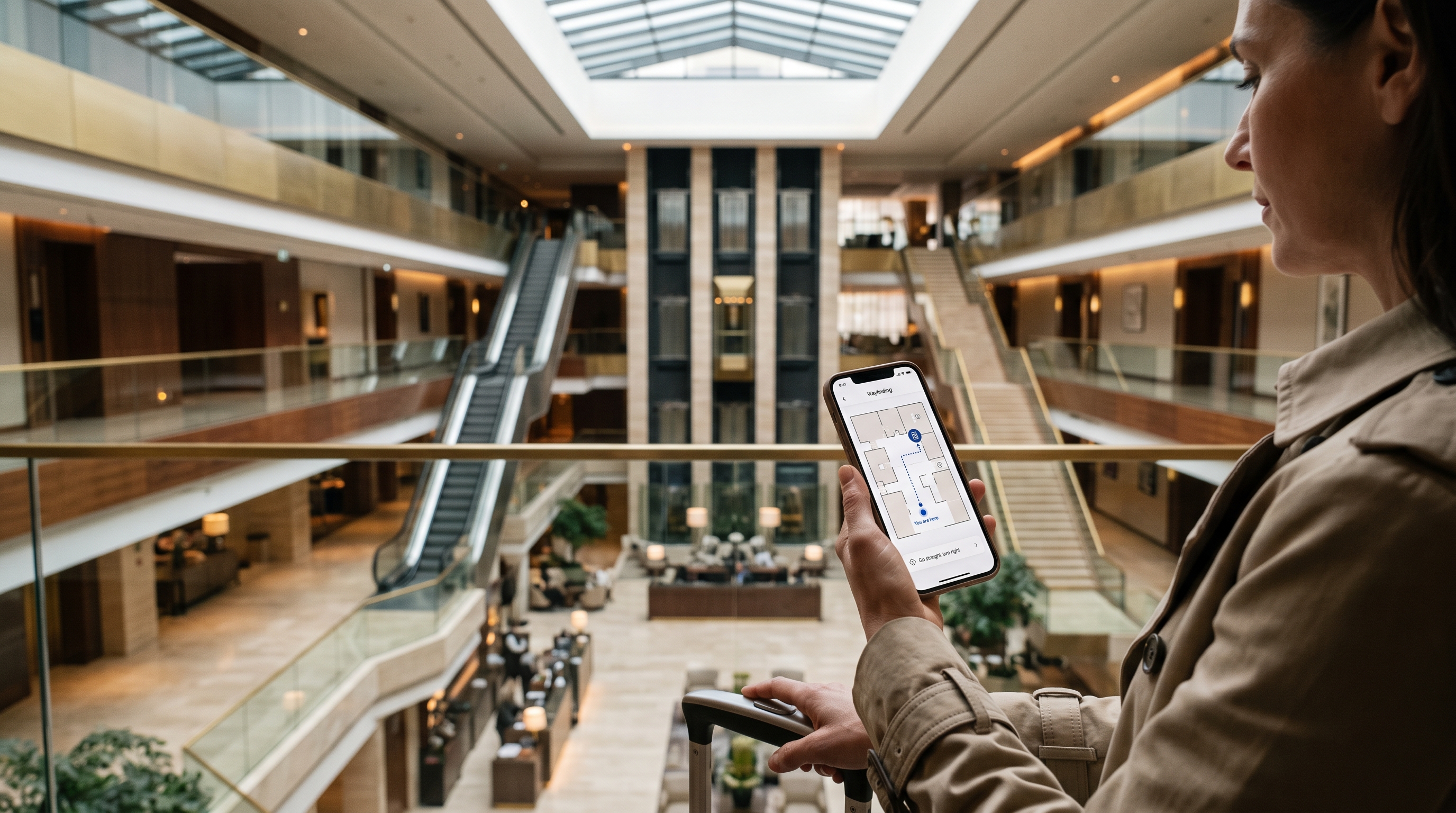
1) Clear digital wayfinding across the full site
Visitors should be guided across indoor and outdoor spaces, not only at one entrance or one screen.
This includes:
- interactive maps
- route guidance
- multi-point navigation
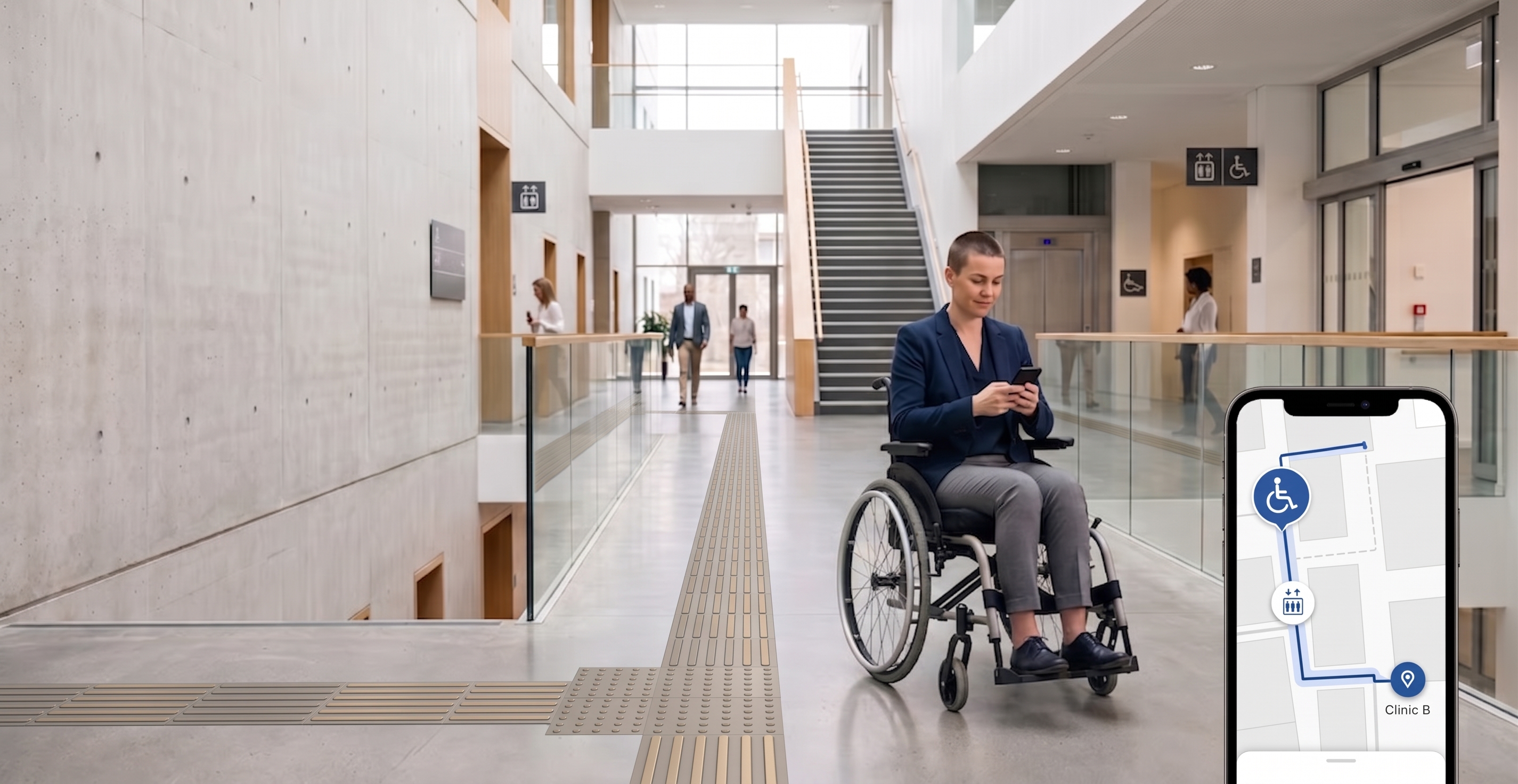
- accessibility-friendly routes
- multilingual directions
Good wayfinding is more than maps. It reduces confusion, delays, and pressure on staff.
2) Real-time information, not static content
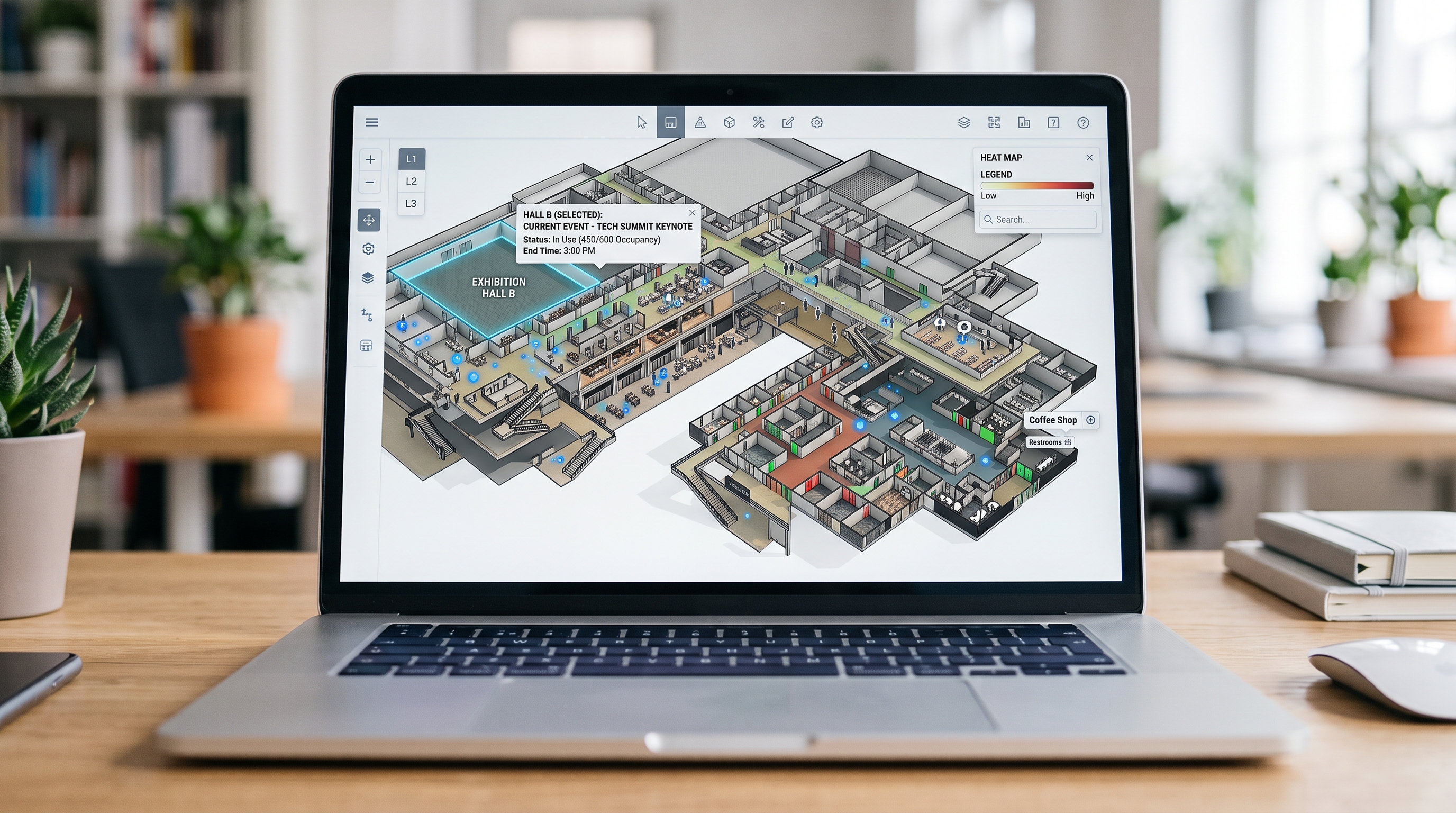
Visitors need live information when plans change.
Examples:
- event timing updates
- queue or congestion guidance
- temporary closures
- alternative routes
- service availability notices
Real-time guidance improves trust because the destination feels responsive.
3) Context-aware content and recommendations
A visitor in a family zone needs different information than a business guest or a hospital visitor.
Digital experiences should provide the right content based on:
- current location
- time of day
- purpose of visit
- language preference
- user profile (when available and consented)
This makes the experience feel helpful, not generic.
4) Integration with existing destination systems
Many destinations already have systems for facilities, access, transportation, events, security, or content management.
The goal is not to replace everything.
The goal is to connect what already exists so the visitor sees one smooth experience. This is where many digital transformation projects succeed or fail.
5) Experience design that works in the real world
A beautiful interface is not enough if it is slow, complex, or hard to use on-site.
The best visitor platforms are:
- fast
- simple
- mobile-friendly
- web-first when needed
- easy for non-technical users
- designed for stress moments, not only ideal moments
In public environments, usability matters more than flashy design.
What Organizations Should Do Next
For destination owners, developers, operators, and public-sector entities, the next step is to ask a different question.
Instead of asking:
“What digital tools should we add?”
Ask:
“Where does the visitor journey break, and how do we connect it?”
Start with a journey audit:
- Where do visitors get lost?
- Where do they wait too long?
- Where do they ask staff for help repeatedly?
- Where is information inconsistent across channels?
- Which systems already exist but are not connected?
These answers usually reveal quick wins and long-term priorities.
The NEARMOTION Perspective
At NEARMOTION, we believe digital transformation creates the most value when it improves how people move, understand, and interact with spaces in real life.
That is why the future of visitor experience is not just screens, apps, or content in isolation. It is connected guidance, intelligent experiences, and seamless integration across the full journey.
In the Middle East, where destinations are growing in scale and ambition, this shift from smart infrastructure to smart visits will define the next generation of successful projects.
Final Thought
The best digital experience is not the one with the most features.
It is the one that makes a complex place feel simple.
And that starts with a unified visitor journey.
Featured Success Stories
See how businesses like yours are leveraging Nearmotion to createimpactful indoor experiences.


Send Us a Message
Fill out the form below, and our team will get back to you shortly.





Find Your Perfect Solution
Ready to transform your retail space? NEARMOTION offers tailored solutions. Discuss with an expert or start building your map for free.