
التوجيه الرقمي لإمكانية الوصول: جعل التنقل أكثر شمولاً
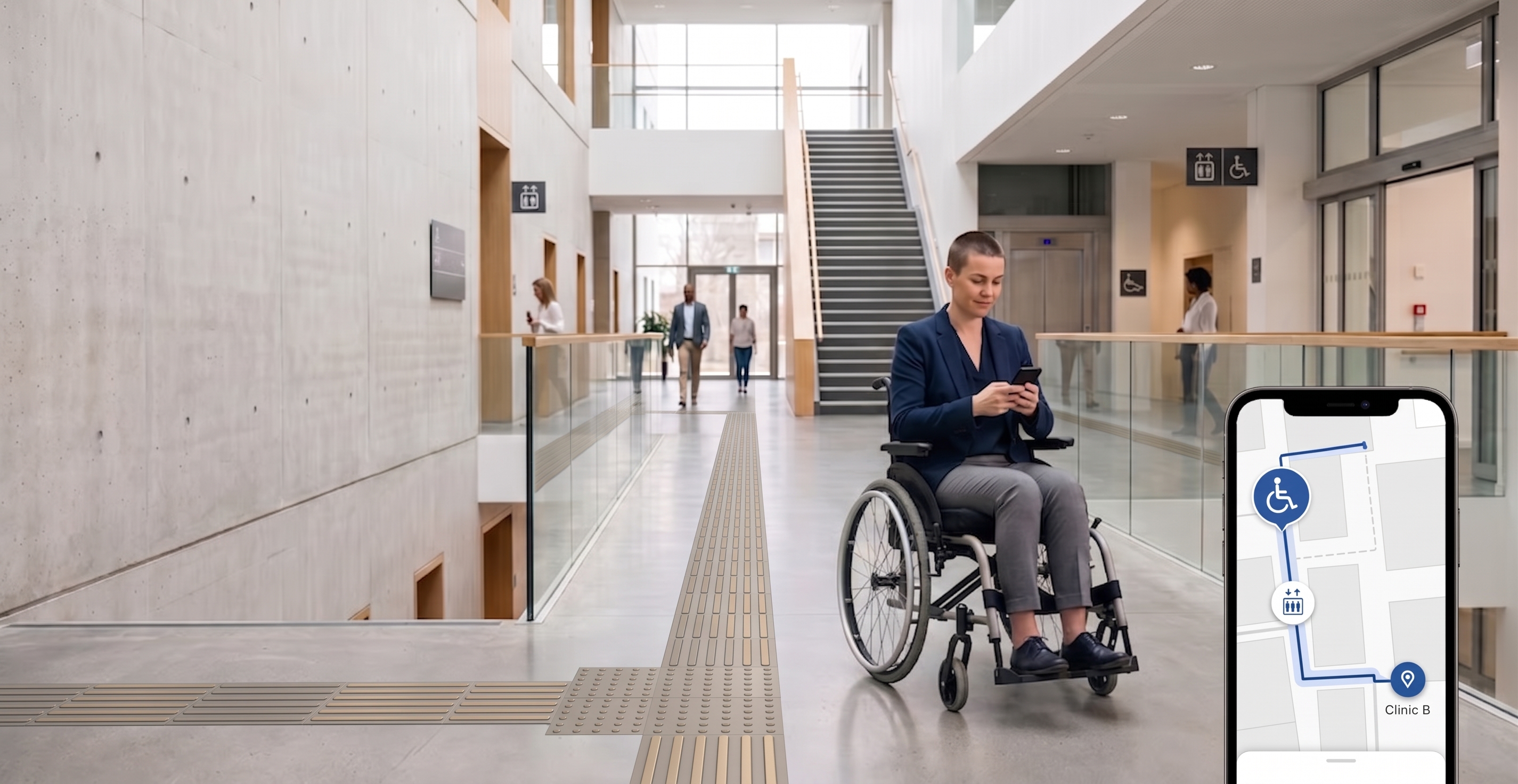
قد يكون التنقل داخل المستشفيات الكبيرة أو الجامعات أو المطارات أو المرافق العامة أمراً شاقاً، لا سيما للأشخاص ذوي الإعاقة أو ذوي القدرة المحدودة على الحركة. فالبحث عن مدخل مجهز أو مصعد أو منحدر أو مسار مناسب قد يضيف ضغوطاً غير ضرورية إلى رحلة غير مألوفة بالفعل.
تساعد أنظمة التوجيه الرقمي المخصصة لإمكانية الوصول في معالجة هذه التحديات من خلال تزويد المستخدمين بمسارات واضحة وميسرة تعتمد على الخصائص المادية للبيئة المحيطة.
أبعد من مجرد العثور على أقصر طريق
يركز التنقل التقليدي بشكل أساسي على إيصال المستخدمين من النقطة (أ) إلى النقطة (ب)، بينما يتطلب التنقل الميسر مراعاة اعتبارات إضافية.
قد يتضمن أقصر طريق سلالم أو ممرات ضيقة أو مداخل غير مجهزة. وبدلاً من ذلك، يمكن لنظام التوجيه الرقمي الميسر تحديد مسارات تتجنب هذه العوائق وتعطي الأولوية للمرافق المناسبة مثل المصاعد والمنحدرات والمداخل المجهزة.
على سبيل المثال، يمكن لمستخدم الكرسي المتحرك الذي يبحث عن قسم معين داخل مستشفى الحصول على مسار يتجنب السلالم ويوجهه عبر ممرات ومصاعد مجهزة.
التنقل الداخلي في الوقت الفعلي
قد يكون التنقل داخل المباني الكبيرة صعباً لأن نظام تحديد المواقع العالمي (GPS) لا يوفر الدقة المطلوبة للتنقل الداخلي المفصل.
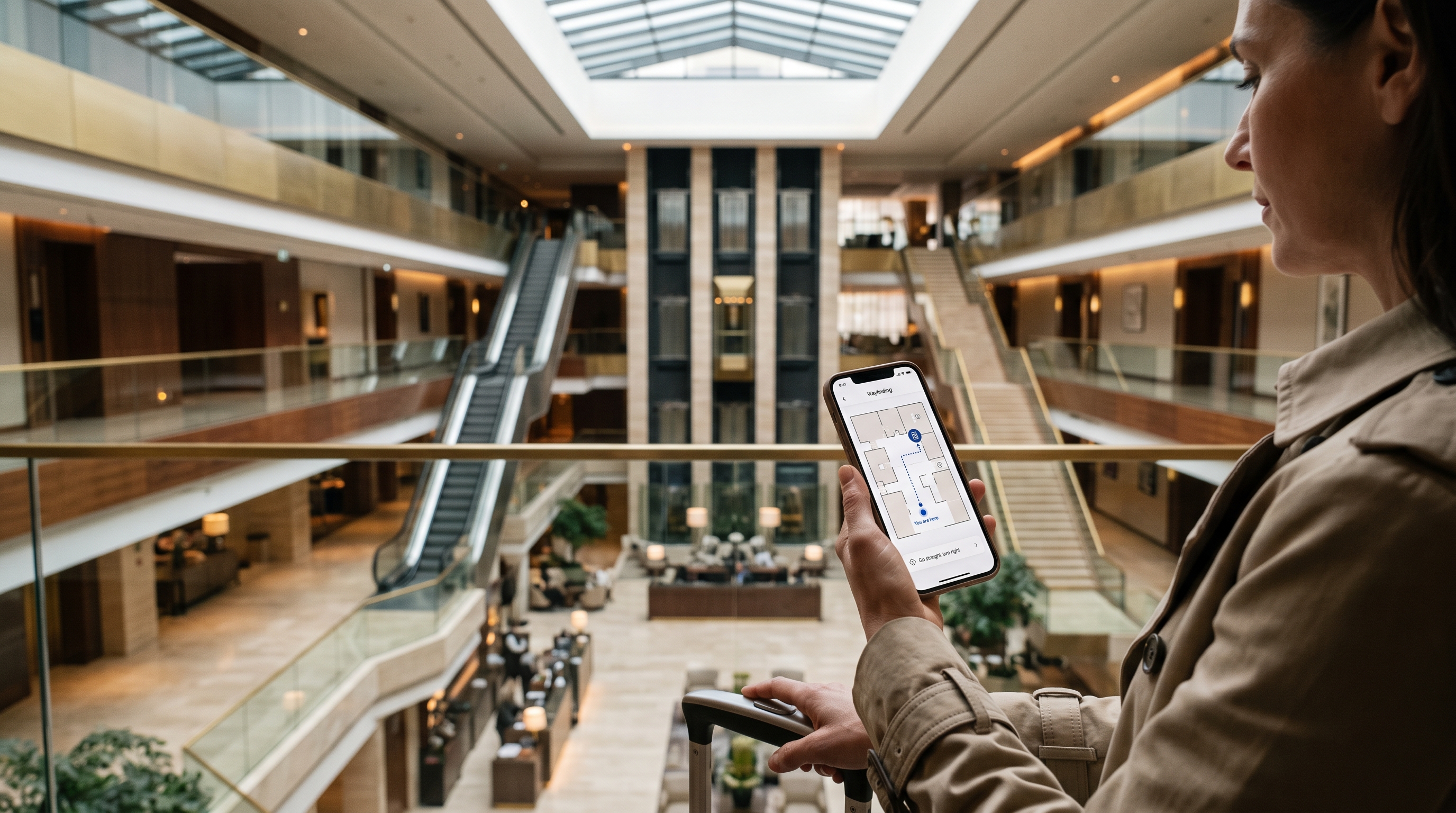
تساعد تقنيات تحديد المواقع الداخلية، مثل تقنية البلوتوث منخفض الطاقة (BLE) وتحديد المواقع عبر شبكة الواي فاي، المستخدمين في معرفة موقعهم داخل المبنى. وعند دمج هذه التقنيات مع الخرائط الرقمية، يمكن للمستخدمين رؤية موقعهم والحصول على توجيهات خطوة بخطوة.
وهذا يجعل التنقل أسهل للزوار الذين قد يضطرون بخلاف ذلك إلى الاعتماد على اللوحات الإرشادية أو الموظفين أو أشخاص آخرين للحصول على المساعدة.
التوجيه البصري والصوتي
تعني إمكانية الوصول أيضاً توفير المعلومات بطرق متنوعة.
يمكن للتوجيه الرقمي تقديم اتجاهات بصرية واضحة، وتسميات مقروءة، وأسهم توجيهية، ومعلومات عن الطوابق، وعناصر خرائط ذات تباين عالٍ. كما يمكن للتنقل الصوتي توفير تعليمات مسموعة، مما يتيح للمستخدمين اتباع التوجيهات دون الحاجة إلى النظر المستمر إلى شاشاتهم.
إن توفير طرق توجيه متعددة يتيح للمستخدمين التفاعل مع نظام التنقل بالطريقة التي تناسب احتياجاتهم بشكل أفضل.
تبدأ إمكانية الوصول ببيانات خرائط دقيقة
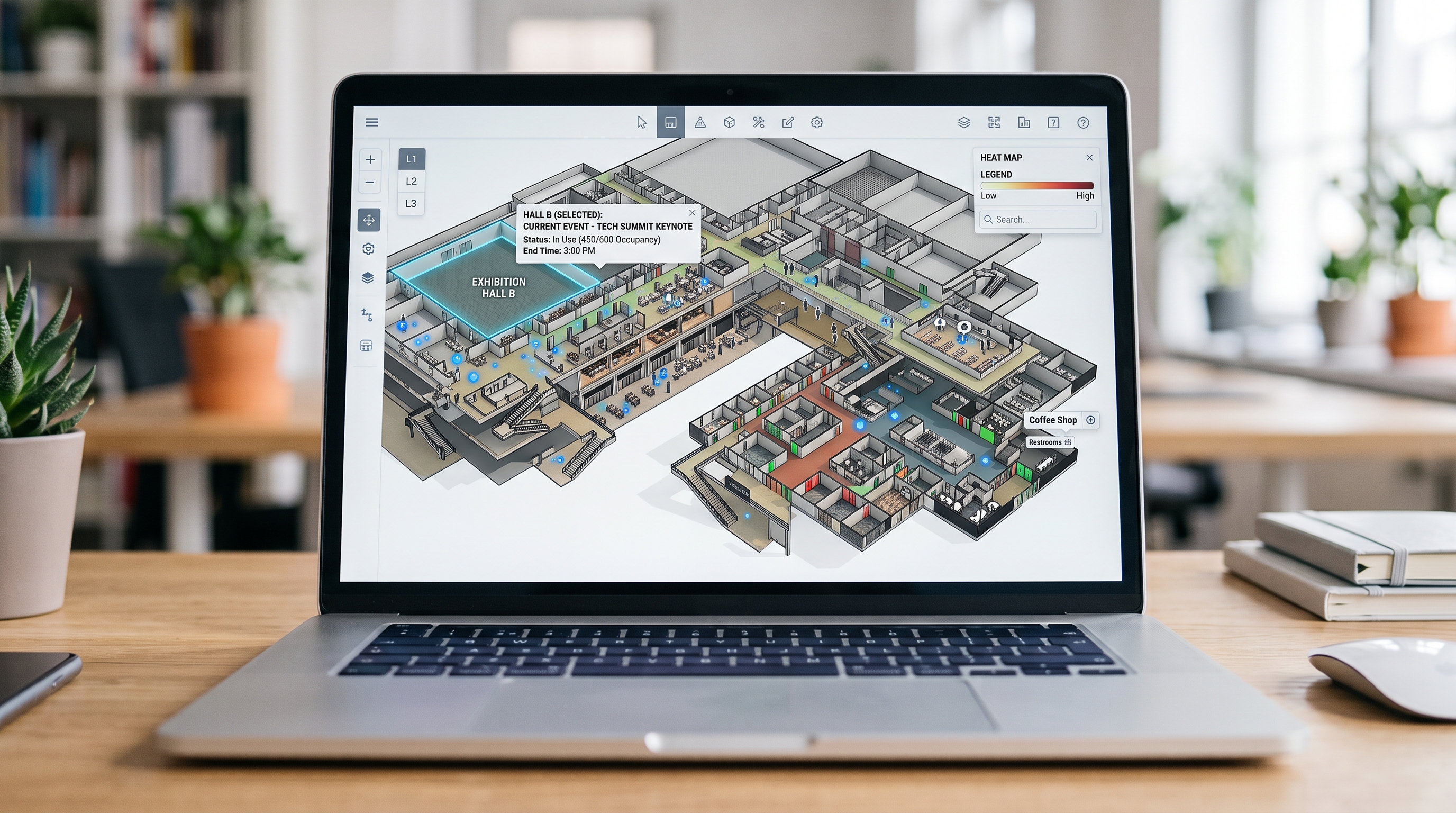
لا تعتمد تجربة التنقل الميسرة على واجهة الخريطة فحسب، بل يجب أن تحتوي الخريطة الأساسية على معلومات ذات صلة بإمكانية الوصول.
وقد تشمل هذه المعلومات:
- المداخل المجهزة
- المصاعد والمنحدرات
- مواقف السيارات المخصصة
- دورات المياه المجهزة
- الممرات المخصصة للكراسي المتحركة
- السلالم والسلالم المتحركة
- الإغلاقات المؤقتة أو المناطق المقيدة
تعد مواكبة تحديث هذه المعلومات أمراً في غاية الأهمية. فإذا أصبح مصعد أو ممر ما غير متاح، يجب أن يكون نظام التنقل قادراً على توفير مسار بديل.
خلق تجارب أكثر شمولاً
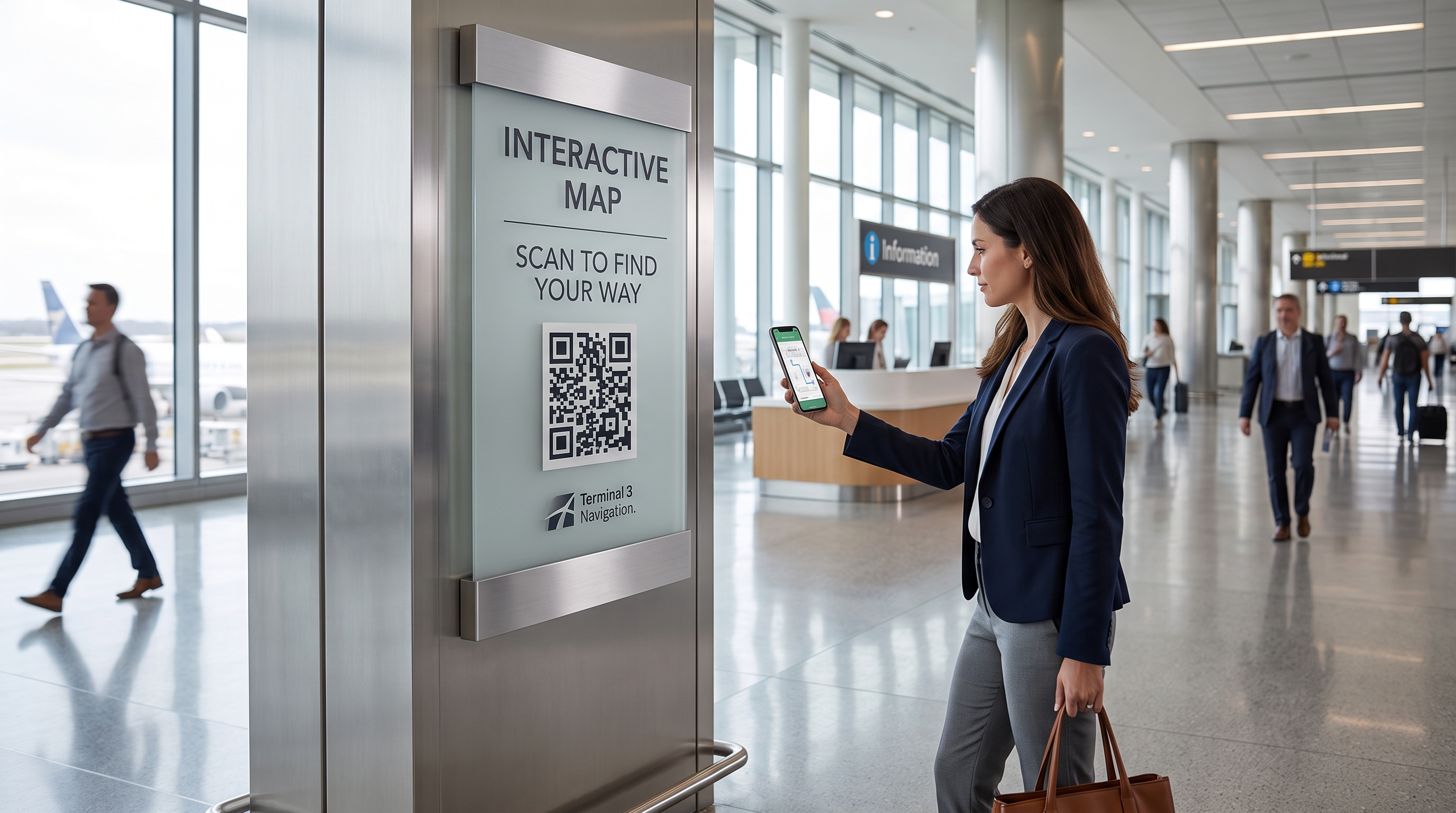
تساهم أنظمة التوجيه الرقمي في تعزيز إمكانية الوصول حتى قبل وصول الزوار. إذ يمكن للمستخدمين تحديد مواقف السيارات والمداخل والمرافق والمسارات المجهزة مسبقاً، مما يساعدهم على التخطيط لرحلتهم بثقة أكبر.
بالنسبة للمستشفيات والجامعات والمطارات والمباني الحكومية وغيرها من المرافق المعقدة، يمكن أن تصبح أنظمة التوجيه الرقمي المتاحة للجميع جزءاً مهماً من تجربة الزوار الشاملة.
الهدف ليس مجرد إرشاد الناس إلى وجهتهم، بل مساعدتهم على فهم كيفية الوصول إلى هناك بأمان واستقلالية.
من خلال الجمع بين الخرائط الرقمية الدقيقة، وتحديد المسارات الميسرة، وتحديد المواقع داخلياً، والتوجيه الصوتي والبصري، يمكن للمؤسسات خلق بيئات أكثر شمولاً تجعل التنقل أسهل وأكثر ملاءمة للجميع.
Featured Success Stories
See how businesses like yours are leveraging Nearmotion to createimpactful indoor experiences.


أرسل لنا رسالة
يرجى تعبئة النموذج أدناه، وسيتواصل معك فريقنا في أقرب وقت ممكن.





Find Your Perfect Solution
هل أنت مستعد لتحويل مساحة التجزئة الخاصة بك؟ تقدم NEARMOTION حلولاً مخصصة. ناقش احتياجاتك مع أحد خبرائنا أو ابدأ في بناء خريطتك مجاناً.